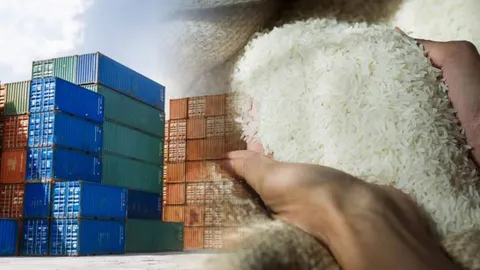
Thai rice exports surged 19.4% in the first quarter, reaching 2.46 million tonnes, with export value increasing 49% to $1.61 billion, primarily driven by a weakening baht.
Despite the overall Q1 growth, March exports declined 10.4% from February, and specific varieties like parboiled rice face significant drops due to reduced demand and cheaper alternatives from India.
Thailand ranked as the world's second-largest rice exporter in Q1, shipping 2.46 million tonnes, while maintaining competitive pricing for its white rice and parboiled rice against global rivals.
Thailand anticipates exporting approximately 800,000 tonnes in April to fulfill existing supply contracts with buyers in ASEAN, Japan, various African nations, and Middle Eastern countries.
Thailand's Education Ministry is implementing a four-pronged strategy to address its students' below-average performance in PISA 2025 and tackle significant educational inequality.
The plan prioritizes closing performance gaps by increasing funding for small and low-income schools, overhauling the curriculum to foster critical thinking, and adopting a data-driven management system to reduce teacher workload.
Key initiatives include enhancing school safety, combating cyberbullying, and expanding mental health support through peer-to-peer networks, recognizing the severe impact of distress on academic performance.
An education expert advises verifying if PISA improvements stem from structural changes, advocating for a revived STEM curriculum with practical 'learn by doing' methods, and urging bureaucratic reform to link teacher evaluations to student development.