Nationwide crackdown launched on illegal nominee shareholders and land holdings
Thailand’s carbon tax: Battling climate change, but at what cost?
AI In-Brief
Thailand News in Brief
Thai PBS World
Thailand and the world, every day
AI can make mistakes. Please double-check.
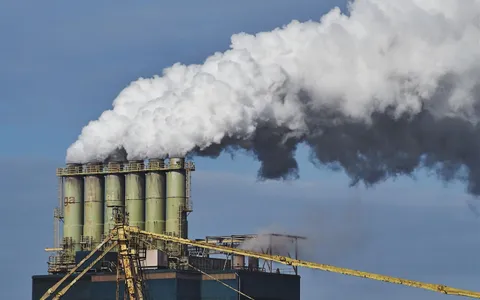
Thailand’s carbon tax: Battling climate change, but at what cost?
12 Sept 18:25Key points summarised by AI
Thailand is set to become the second Southeast Asian nation to implement a carbon tax by October, initially targeting oil products to combat greenhouse gas emissions.
The tax aims to drive eco-friendly consumer behavior, effectively reduce emissions, and align Thailand with international trade schemes like the EU’s Carbon Border Adjustment Mechanism (CBAM), shielding exporters from additional costs.
Starting with 200 baht per tonne of carbon on fuels, the tax is expected to have a minimal initial impact on consumer prices due to existing excise tax offsets, with future plans to extend it to vehicles based on their emissions.
While some experts express concerns over the lack of established carbon standards, proponents highlight the tax's potential to generate revenue, simplify business cost calculations, and enhance the global environmental image of Thai products.
Nationwide crackdown launched on illegal nominee shareholders and land holdings
Today 15:20Key points summarised by AI
Thailand's Prime Minister Anutin Charnvirakul initiated a nationwide crackdown on illegal Thai nominee shareholders in foreign-run businesses and land holdings to safeguard national interests.
The government will integrate efforts across all relevant agencies to target illicit foreign operations, forced sales of illegally acquired property, and high-risk land ownership schemes.
Key strategies include auditing suspect land and building holdings, establishing a long-term monitoring system, and cross-referencing data from various authorities to trace ultimate beneficial owners.
Prime Minister Anutin emphasized that no influential figures or corrupt officials are above the law, promising straightforward prosecution, asset seizures, and protection for enforcing officers.
Beyond land ownership, the integrated crackdown will also extend to tackle transnational crimes, including drug and human trafficking.