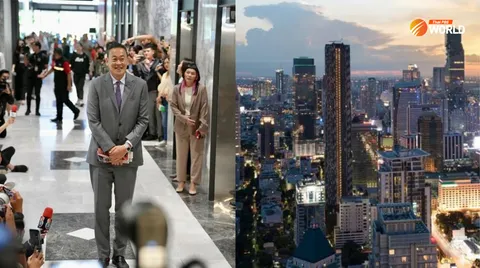
Srettha may find himself in the crosshairs over new real estate policy
AI In-Brief
Thailand News in Brief
Thai PBS World
Thailand and the world, every day
AI can make mistakes. Please double-check.
Srettha may find himself in the crosshairs over new real estate policy
26 Sept 20:59Key points summarised by AI
The Thai government proposes increasing foreign condominium ownership to 75% and extending land lease terms to 99 years, aiming to stimulate the sluggish real estate market.
Prime Minister Srettha Thavisin faces potential conflict of interest accusations due to his past as a leading property developer (Sansiri Plc) and the transfer of his shares to his daughter before entering politics.
Critics warn of strong public opposition, particularly regarding extended land leases, and suggest alternative solutions like simplifying the process for qualified foreigners to obtain Thai citizenship to address an aging population.
While foreign condo purchases are already rising, with Chinese nationals as top buyers, experts question the effectiveness of the proposed law changes, citing existing market conditions and implementation issues like corruption.
Thailand's Education Ministry is implementing a four-pronged strategy to address its students' below-average performance in PISA 2025 and tackle significant educational inequality.
The plan prioritizes closing performance gaps by increasing funding for small and low-income schools, overhauling the curriculum to foster critical thinking, and adopting a data-driven management system to reduce teacher workload.
Key initiatives include enhancing school safety, combating cyberbullying, and expanding mental health support through peer-to-peer networks, recognizing the severe impact of distress on academic performance.
An education expert advises verifying if PISA improvements stem from structural changes, advocating for a revived STEM curriculum with practical 'learn by doing' methods, and urging bureaucratic reform to link teacher evaluations to student development.