Bai Lu meet-and-greet cancelled days after China’s safety warning
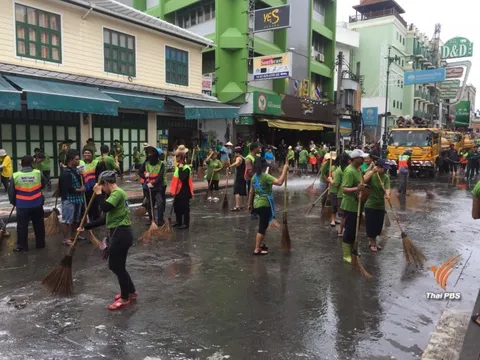
BMA to legalize vending on footpaths of Khao San road
AI In-Brief
Thailand News in Brief
Thai PBS World
Thailand and the world, every day
AI can make mistakes. Please double-check.
BMA to legalize vending on footpaths of Khao San road
14 Sept 06:34Key points summarised by AI
The Bangkok Metropolitan Administration (BMA) has decided to legalize street vending on Khao San Road's footpaths, permitting sales between 4 PM and midnight.
This decision was reached in a meeting with various government and police agencies, utilizing Section 20 of the public hygiene law to designate specific vending areas.
Approximately 200 previously registered vendors will be allocated 1.50-meter-wide stalls after a verification process.
While the official announcement is drafted, an interim period allows vendors to operate from 6 PM to midnight, with the full regulation expected to take effect in one month.
The BMA justified the legalization by recognizing Khao San Road's status as a vital tourist destination with a unique identity.
Bai Lu meet-and-greet cancelled days after China’s safety warning
Yesterday 15:28Key points summarised by AI
Thailand's Tourism and Sports Minister announced the government will seek clarification from the Chinese Embassy regarding its recent travel advisory warning Chinese nationals about safety concerns in Thailand.
The travel advisory is anticipated to negatively impact the number of Chinese tourists visiting Thailand, despite recent increases in arrivals.
A meet-and-greet event featuring Chinese actress Bai Lu, a WeTV Global Ambassador, was abruptly cancelled just days after the Chinese Embassy issued its safety warning, though no official reason was provided.
The Chinese Embassy's advisory urged citizens to beware of job scams, fraudulent investments, suspicious travel arrangements, and the risk of illegal detention or being lured to the Thai-Myanmar border.
Chinese nationals were advised to verify job offers, use legitimate transport, avoid high-risk border areas, protect personal documents, and keep family informed of travel plans.