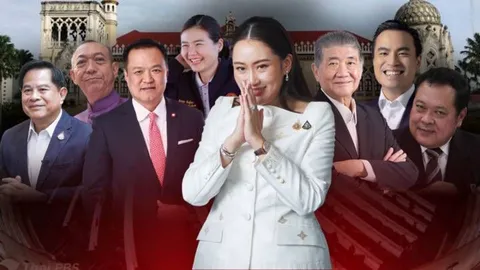
2024 Thai government and minister nicknames explained
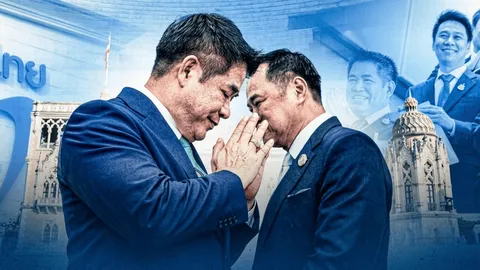
Speculation growing over merger between Bhumjaithai and Kla Tham parties
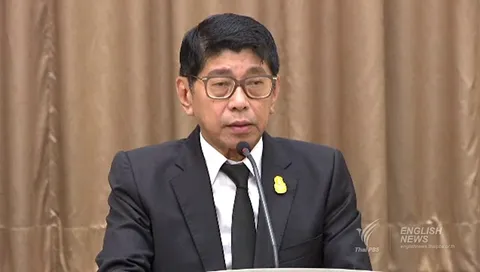
Wissanu suggests restrictions on political activities to be eased in September
AI In-Brief
Thailand News in Brief
Thai PBS World
Thailand and the world, every day
AI can make mistakes. Please double-check.
Wissanu suggests restrictions on political activities to be eased in September
14 Sept 04:02Key points summarised by AI
Deputy PM Wissanu Krea-ngam proposed easing political restrictions starting in September, aligning with general elections set for February 24 to May 5 next year.
Restrictions will ease 90 days after MP election and senator selection bills are published, allowing parties to conduct six specific activities without prior NCPO approval.
These permitted activities include holding party meetings, conducting primary elections, and splitting constituencies; full revocation of restrictions is expected 150 days after election laws are enforced.
The controversial issue of 616 election inspectors remains unresolved, though Wissanu believes the current nominees will likely remain due to urgent demand for senator selection.
Speculation growing over merger between Bhumjaithai and Kla Tham parties
Yesterday 16:46Key points summarised by AI
A dinner between Bhumjaithai leader Anutin Charnvirakul and Kla Tham leader Capt. Thamanat Prompow ignited widespread speculation about a potential merger between their parties.
The meeting is viewed as a strategic message to coalition partner Pheu Thai, indicating Bhumjaithai's alternative options following Pheu Thai's chief whip's remarks about not fully defending all ministers in the upcoming no-confidence debate.
A direct merger between parties with sitting MPs is currently prohibited by Section 99 of the Constitution until the House's term expires, though MPs can switch parties through dismissal or party dissolution.
These constitutional rules aim to prevent financially strong parties from easily absorbing smaller ones, a practice that historically led to single-party dominance, as seen with Thai Rak Thai's 2005 election victory.