Bai Lu meet-and-greet cancelled days after China’s safety warning
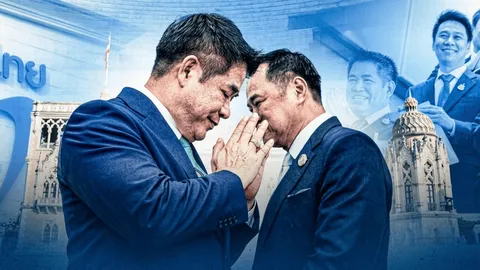
Speculation growing over merger between Bhumjaithai and Kla Tham parties
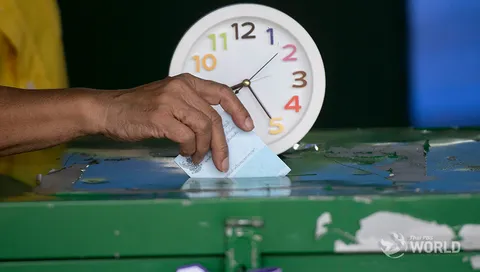
Uncertainties shroud election date
AI In-Brief
Thailand News in Brief
Thai PBS World
Thailand and the world, every day
AI can make mistakes. Please double-check.
Uncertainties shroud election date
2 Oct 14:21Key points summarised by AI
The scheduled February 24 election faces potential postponement, possibly by one month, due to government concerns about conflicts with the upcoming May coronation ceremony.
The government aims to prevent political events, particularly post-election processes like the new Parliament's inaugural session, from overlapping with the King's coronation ceremonies, which culminate May 4-6.
Deputy Prime Minister Wissanu Krea-ngam met with the Election Commission (EC) to convey the government's concerns, confirming that the EC holds the ultimate authority to decide on the election date.
Wissanu emphasized that the main issue isn't the election itself, but the subsequent "at least 10 related big events" mandated by the Constitution that could clash with the extensive coronation-related schedule.
Speculation growing over merger between Bhumjaithai and Kla Tham parties
Today 16:46Key points summarised by AI
A dinner between Bhumjaithai and Kla Tham party leaders sparked rumors of a potential merger, though Bhumjaithai's leader, Anutin, downplayed it as a casual meal.
The meeting is widely interpreted as a strategic message from Bhumjaithai to the Pheu Thai party, signaling alternative support ahead of an upcoming no-confidence debate.
Thailand's Constitution (Section 99) currently prohibits direct mergers of parties with sitting MPs during the House's term, a rule designed to prevent the 'buying and selling' of MPs.
While direct mergers are restricted, MPs can still switch parties if dismissed by a three-fourths party vote or if their party dissolves, allowing for indirect political realignments.
Kla Tham's voting behavior in the censure debate will demonstrate its loyalty to the government, potentially influencing future political dynamics despite current merger restrictions.