Bai Lu meet-and-greet cancelled days after China’s safety warning
Speculation growing over merger between Bhumjaithai and Kla Tham parties
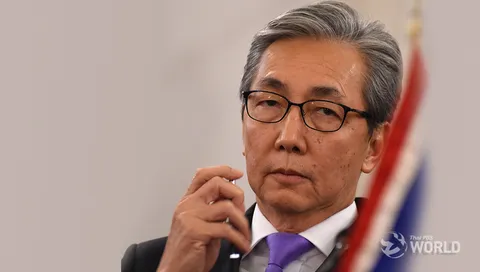
Somkid confident of 4-4.2 percent growth rate for 2018
AI In-Brief
Thailand News in Brief
Thai PBS World
Thailand and the world, every day
AI can make mistakes. Please double-check.
Somkid confident of 4-4.2 percent growth rate for 2018
14 Sept 16:36Key points summarised by AI
Deputy Prime Minister Somkid Jatusripitak projects Thailand's 2018 economic growth at 4-4.2%, driven by strong tourism recovery, exceeding targets in EEC investments, and timely budget disbursements, despite challenges in the farm sector.
Thailand faces significant external challenges, including global uncertainties stemming from unpredictable US policies under President Trump and the US-China trade war, which substantially impact exports and global markets.
The nation holds a key opportunity to become a major investment hub for China and Japan, potentially benefiting the entire CLMV region if a strategic master plan is developed, though it must contend with fierce competition from Vietnam and Malaysia.
Domestically, Thailand must prioritize adaptation through comprehensive reforms and widespread technology utilization across all sectors to ensure sustained growth and competitiveness.
Political uncertainty surrounding the upcoming election is identified as a critical challenge, with a strong call for all political stakeholders to unite and collaborate for the country's collective benefit.
Speculation growing over merger between Bhumjaithai and Kla Tham parties
Today 16:46Key points summarised by AI
A dinner between Bhumjaithai and Kla Tham party leaders sparked rumors of a potential merger, though Bhumjaithai's leader, Anutin, downplayed it as a casual meal.
The meeting is widely interpreted as a strategic message from Bhumjaithai to the Pheu Thai party, signaling alternative support ahead of an upcoming no-confidence debate.
Thailand's Constitution (Section 99) currently prohibits direct mergers of parties with sitting MPs during the House's term, a rule designed to prevent the 'buying and selling' of MPs.
While direct mergers are restricted, MPs can still switch parties if dismissed by a three-fourths party vote or if their party dissolves, allowing for indirect political realignments.
Kla Tham's voting behavior in the censure debate will demonstrate its loyalty to the government, potentially influencing future political dynamics despite current merger restrictions.