Bai Lu meet-and-greet cancelled days after China’s safety warning
City Hall to introduce proper motorcycle taxi stops on street pavements
AI In-Brief
Thailand News in Brief
Thai PBS World
Thailand and the world, every day
AI can make mistakes. Please double-check.
City Hall to introduce proper motorcycle taxi stops on street pavements
13 Sept 13:41Key points summarised by AI
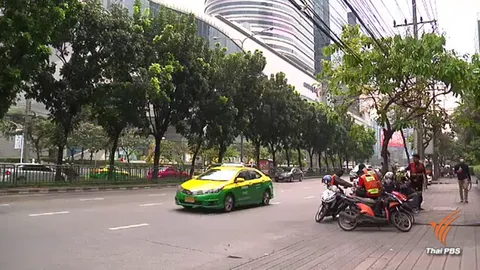
Bangkok City Hall plans to establish dedicated motorcycle taxi stops on street pavements to alleviate road congestion caused by current unauthorized parking.
For pavements wider than four meters, clearly marked, purpose-built stands will be designed and erected, while narrower sidewalks will necessitate negotiations with private landowners for space.
The initiative aims to address the issue of over 5,400 existing motorcycle taxi stops, many of which currently occupy road space or private land.
While urban planning experts support the idea for its promotion of shared public property, motorcycle taxi drivers express concerns about potential misuse of the new stops by other vehicles like tuk-tuks and taxis.
Bai Lu meet-and-greet cancelled days after China’s safety warning
Today 15:28Key points summarised by AI
Thailand's Tourism and Sports Minister announced the government will seek clarification from the Chinese Embassy regarding its recent travel advisory warning Chinese nationals about safety concerns in Thailand.
The travel advisory is anticipated to negatively impact the number of Chinese tourists visiting Thailand, despite recent increases in arrivals.
A meet-and-greet event featuring Chinese actress Bai Lu, a WeTV Global Ambassador, was abruptly cancelled just days after the Chinese Embassy issued its safety warning, though no official reason was provided.
The Chinese Embassy's advisory urged citizens to beware of job scams, fraudulent investments, suspicious travel arrangements, and the risk of illegal detention or being lured to the Thai-Myanmar border.
Chinese nationals were advised to verify job offers, use legitimate transport, avoid high-risk border areas, protect personal documents, and keep family informed of travel plans.