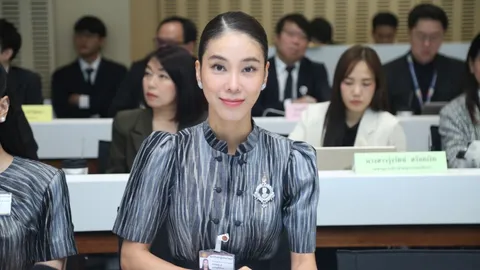
Suchada: Meet the reluctant star of Thailand’s cryptic crypto drama
Speculation growing over merger between Bhumjaithai and Kla Tham parties
Fighting populism with more populism?
AI In-Brief
Thailand News in Brief
Thai PBS World
Thailand and the world, every day
AI can make mistakes. Please double-check.
Fighting populism with more populism?
13 Sept 18:52Key points summarised by AI
Thai political parties universally propose populist economic policies for the general election, ranging from infrastructure projects and welfare cards to guaranteed farm incomes and business incentives.
Prominent examples include Palang Pracharat's public investments, Pheu Thai's 'fatten people's wallets' through tax breaks and tourism boosts, and the Democrat Party's guaranteed farm prices.
A significant concern across all platforms is the absence of clear, convincing plans for financing these extensive populist programs, raising questions about long-term budget commitments.
Regardless of the election outcome, the next government's role in the economy is expected to expand, demanding larger budgets and increased intervention, even amid potential economic turbulence.
Speculation growing over merger between Bhumjaithai and Kla Tham parties
Yesterday 16:46Key points summarised by AI
A dinner between Bhumjaithai and Kla Tham party leaders sparked rumors of a potential merger, though Bhumjaithai's leader, Anutin, downplayed it as a casual meal.
The meeting is widely interpreted as a strategic message from Bhumjaithai to the Pheu Thai party, signaling alternative support ahead of an upcoming no-confidence debate.
Thailand's Constitution (Section 99) currently prohibits direct mergers of parties with sitting MPs during the House's term, a rule designed to prevent the 'buying and selling' of MPs.
While direct mergers are restricted, MPs can still switch parties if dismissed by a three-fourths party vote or if their party dissolves, allowing for indirect political realignments.
Kla Tham's voting behavior in the censure debate will demonstrate its loyalty to the government, potentially influencing future political dynamics despite current merger restrictions.