Bai Lu meet-and-greet cancelled days after China’s safety warning
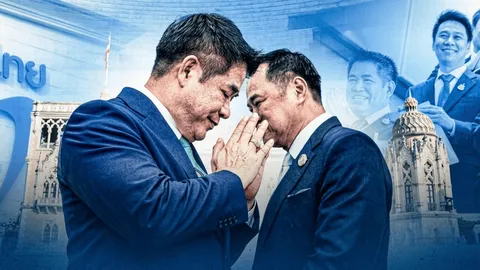
Speculation growing over merger between Bhumjaithai and Kla Tham parties
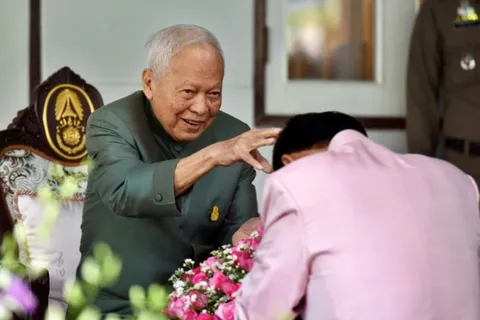
International media report death of statesman Prem Tinsulanonda
AI In-Brief
Thailand News in Brief
Thai PBS World
Thailand and the world, every day
AI can make mistakes. Please double-check.
International media report death of statesman Prem Tinsulanonda
13 Sept 20:53Key points summarised by AI
International media widely reported the death of General Prem Tinsulanonda, recognizing him as one of Thailand's most influential political figures.
His extensive career included serving as army commander, prime minister from 1980-1988, and a long-standing, powerful adviser to the royal palace.
Prem was lauded as an ardent royalist, playing a crucial role in solidifying the monarchy's position in Thailand's power structure, particularly through his trust with the late King Bhumibol Adulyadej.
His premiership brought a rare period of political and economic stability to Thailand.
Most recently, he was involved in organizing King Maha Vajiralongkorn's coronation and briefly served as regent after King Bhumibol's death in 2016.
Speculation growing over merger between Bhumjaithai and Kla Tham parties
Today 16:46Key points summarised by AI
A dinner between Bhumjaithai and Kla Tham party leaders sparked rumors of a potential merger, though Bhumjaithai's leader, Anutin, downplayed it as a casual meal.
The meeting is widely interpreted as a strategic message from Bhumjaithai to the Pheu Thai party, signaling alternative support ahead of an upcoming no-confidence debate.
Thailand's Constitution (Section 99) currently prohibits direct mergers of parties with sitting MPs during the House's term, a rule designed to prevent the 'buying and selling' of MPs.
While direct mergers are restricted, MPs can still switch parties if dismissed by a three-fourths party vote or if their party dissolves, allowing for indirect political realignments.
Kla Tham's voting behavior in the censure debate will demonstrate its loyalty to the government, potentially influencing future political dynamics despite current merger restrictions.