Bai Lu meet-and-greet cancelled days after China’s safety warning
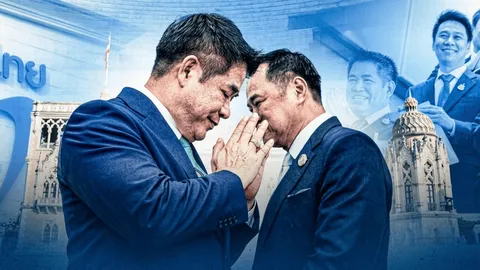
Speculation growing over merger between Bhumjaithai and Kla Tham parties
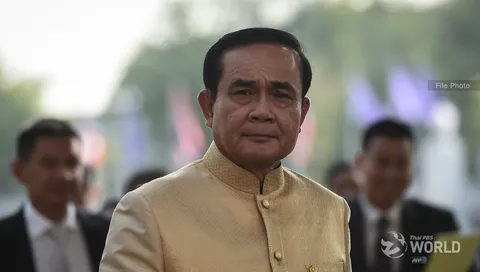
PM not worried about small coalition parties voting against government in censure debate
AI In-Brief
Thailand News in Brief
Thai PBS World
Thailand and the world, every day
AI can make mistakes. Please double-check.
PM not worried about small coalition parties voting against government in censure debate
1 Oct 10:38Key points summarised by AI
Prime Minister Prayut Chan-o-cha dismissed concerns regarding five smaller coalition parties reportedly threatening to vote against the government in the upcoming no-confidence debate.
PM Prayut asserted that he cannot force any party to vote for the government, just as they cannot force his hand, despite admitting he hadn't been formally informed of the threat.
He warned that if the government fails to survive the censure debate, both the country and its people would suffer, and political parties would face severe consequences.
The opposition is actively preparing for the debate, focusing on alleged corruption, administrative inefficiency, and legal violations, claiming public support and sufficient evidence from House committees.
Speculation growing over merger between Bhumjaithai and Kla Tham parties
Today 16:46Key points summarised by AI
A dinner between Bhumjaithai and Kla Tham party leaders sparked rumors of a potential merger, though Bhumjaithai's leader, Anutin, downplayed it as a casual meal.
The meeting is widely interpreted as a strategic message from Bhumjaithai to the Pheu Thai party, signaling alternative support ahead of an upcoming no-confidence debate.
Thailand's Constitution (Section 99) currently prohibits direct mergers of parties with sitting MPs during the House's term, a rule designed to prevent the 'buying and selling' of MPs.
While direct mergers are restricted, MPs can still switch parties if dismissed by a three-fourths party vote or if their party dissolves, allowing for indirect political realignments.
Kla Tham's voting behavior in the censure debate will demonstrate its loyalty to the government, potentially influencing future political dynamics despite current merger restrictions.