Bai Lu meet-and-greet cancelled days after China’s safety warning
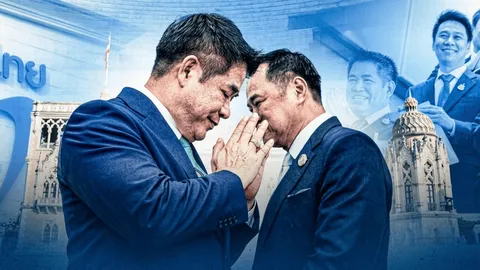
Speculation growing over merger between Bhumjaithai and Kla Tham parties
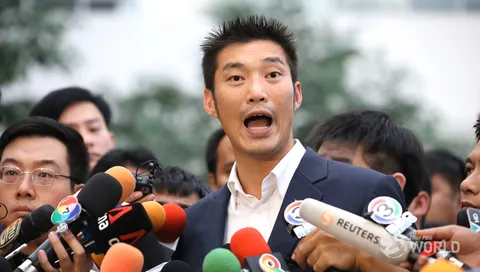
Facts about Future Forward’s loan controversy
AI In-Brief
Thailand News in Brief
Thai PBS World
Thailand and the world, every day
AI can make mistakes. Please double-check.
Facts about Future Forward’s loan controversy
14 Sept 02:22Key points summarised by AI
The controversy stems from former Future Forward Party leader Thanathorn Juangroongruangkit's admitted loans to his party, which the Election Commission (EC) argues are unconstitutional and illegal, while the party maintains they were honest and necessary transactions.
Accusers contend that such loans violate laws intended to prevent financial influence over political parties, citing that the law explicitly lists permissible funding methods, none of which include borrowing.
Future Forward defends the loans as a transparent and essential measure for a newly established party, asserting they were recorded as an 'expense' with a clear intent to repay, not an illegal 'income' or hidden donation.
A central legal debate focuses on whether these loans constitute an illegal 'income' and if existing laws explicitly prohibit political parties from borrowing funds from their leaders.
The dispute is further complicated by the EC's demand for extensive financial documents within a tight deadline, which Future Forward deems 'impossible' and 'persecution,' with potential penalties including political bans for executives and seizure of funds if found guilty.
Speculation growing over merger between Bhumjaithai and Kla Tham parties
Today 16:46Key points summarised by AI
A dinner between Bhumjaithai and Kla Tham party leaders sparked rumors of a potential merger, though Bhumjaithai's leader, Anutin, downplayed it as a casual meal.
The meeting is widely interpreted as a strategic message from Bhumjaithai to the Pheu Thai party, signaling alternative support ahead of an upcoming no-confidence debate.
Thailand's Constitution (Section 99) currently prohibits direct mergers of parties with sitting MPs during the House's term, a rule designed to prevent the 'buying and selling' of MPs.
While direct mergers are restricted, MPs can still switch parties if dismissed by a three-fourths party vote or if their party dissolves, allowing for indirect political realignments.
Kla Tham's voting behavior in the censure debate will demonstrate its loyalty to the government, potentially influencing future political dynamics despite current merger restrictions.