Cabinet approves ฿10.5bn central fund for flood relief
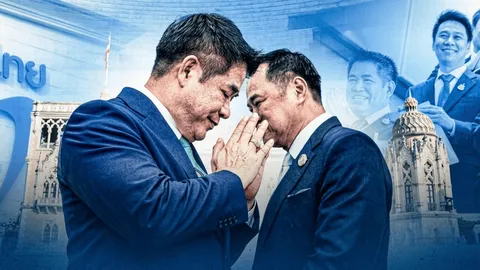
Speculation growing over merger between Bhumjaithai and Kla Tham parties
Worth over ฿500m, ex Office of Buddhism chief declared ‘unusually wealthy’
AI In-Brief
Thailand News in Brief
Thai PBS World
Thailand and the world, every day
AI can make mistakes. Please double-check.
Worth over ฿500m, ex Office of Buddhism chief declared ‘unusually wealthy’
13 Sept 14:40Key points summarised by AI
Former Office of Buddhism director Nopparat Benjawattananant was declared 'unusually wealthy' by the NACC, amassing approximately 575 million baht during his four-year tenure.
The National Anti-Corruption Commission suspects Nopparat's wealth is linked to corruption involving renovation funding for Wat Pananchoeng during 2014-2015.
A comprehensive probe revealed extensive assets held not only by Nopparat and his wife but also by his ex-wife, children, niece, and a close aide, far exceeding their legitimate incomes.
Authorities have seized 176 million baht in assets and the NACC has requested the Office of the Attorney-General to file charges against Nopparat and seven other individuals in connection with the corruption.
Speculation growing over merger between Bhumjaithai and Kla Tham parties
Today 16:46Key points summarised by AI
A dinner between Bhumjaithai and Kla Tham party leaders sparked rumors of a potential merger, though Bhumjaithai's leader, Anutin, downplayed it as a casual meal.
The meeting is widely interpreted as a strategic message from Bhumjaithai to the Pheu Thai party, signaling alternative support ahead of an upcoming no-confidence debate.
Thailand's Constitution (Section 99) currently prohibits direct mergers of parties with sitting MPs during the House's term, a rule designed to prevent the 'buying and selling' of MPs.
While direct mergers are restricted, MPs can still switch parties if dismissed by a three-fourths party vote or if their party dissolves, allowing for indirect political realignments.
Kla Tham's voting behavior in the censure debate will demonstrate its loyalty to the government, potentially influencing future political dynamics despite current merger restrictions.