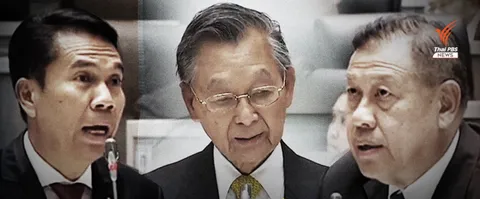
Cabinet approves ฿10.5bn central fund for flood relief
Speculation growing over merger between Bhumjaithai and Kla Tham parties
Opposition walk out of censure debate after failing to get additional time
AI In-Brief
Thailand News in Brief
Thai PBS World
Thailand and the world, every day
AI can make mistakes. Please double-check.
Opposition walk out of censure debate after failing to get additional time
14 Sept 02:24Key points summarised by AI
Thai opposition staged a mass walkout from a four-day censure debate after their request for additional speaking time was rejected.
The walkout resulted from the opposition's internal mismanagement of allotted time, preventing several MPs, particularly former Future Forward members, from questioning Deputy PM Prawit Wongsuwan and Interior Minister Anupong Paochinda.
Accusations of time mismanagement and "stolen" speaking slots were leveled by former Future Forward MPs against Pheu Thai, the core opposition party.
The government maintained its stance, refusing to extend the debate and blaming the opposition for its poor time allocation, leading to an early conclusion and anticipated boycott of votes.
Speculation growing over merger between Bhumjaithai and Kla Tham parties
Yesterday 16:46Key points summarised by AI
A dinner between Bhumjaithai and Kla Tham party leaders sparked rumors of a potential merger, though Bhumjaithai's leader, Anutin, downplayed it as a casual meal.
The meeting is widely interpreted as a strategic message from Bhumjaithai to the Pheu Thai party, signaling alternative support ahead of an upcoming no-confidence debate.
Thailand's Constitution (Section 99) currently prohibits direct mergers of parties with sitting MPs during the House's term, a rule designed to prevent the 'buying and selling' of MPs.
While direct mergers are restricted, MPs can still switch parties if dismissed by a three-fourths party vote or if their party dissolves, allowing for indirect political realignments.
Kla Tham's voting behavior in the censure debate will demonstrate its loyalty to the government, potentially influencing future political dynamics despite current merger restrictions.