Bai Lu meet-and-greet cancelled days after China’s safety warning
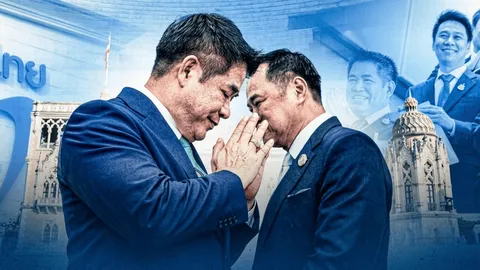
Speculation growing over merger between Bhumjaithai and Kla Tham parties
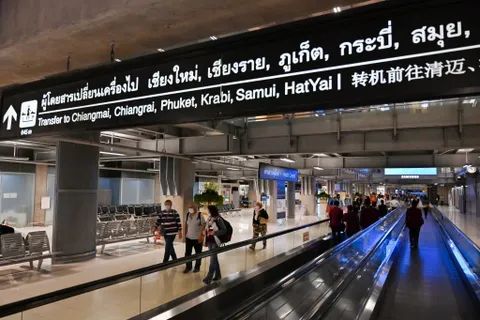
Thailand to allow limited number of foreigners into the country again
AI In-Brief
Thailand News in Brief
Thai PBS World
Thailand and the world, every day
AI can make mistakes. Please double-check.
Thailand to allow limited number of foreigners into the country again
23 Sept 05:24Key points summarised by AI
Thailand's CCSA will gradually reopen its borders, initially allowing entry for six specific groups of foreigners and citizens from Japan, South Korea, China, Singapore, and Hong Kong.
Entry for foreigners is capped at 200 daily, requiring a mandatory 14-day self-funded quarantine at alternative state quarantine (ASQ) facilities.
Citizens from the five designated Asian countries face no numerical limits but must arrive in groups of up to 10, with mandatory COVID-19 testing both before departure and upon arrival.
The decision to allow entry from these five nations is based on their economic importance, effective coronavirus containment, strong public health systems, and readiness for 'travel bubble' agreements.
Additionally, domestic public transport restrictions will ease, permitting passengers to sit next to each other while wearing masks, provided vehicle capacity does not exceed 70%.
Speculation growing over merger between Bhumjaithai and Kla Tham parties
Today 16:46Key points summarised by AI
A dinner between Bhumjaithai and Kla Tham party leaders sparked rumors of a potential merger, though Bhumjaithai's leader, Anutin, downplayed it as a casual meal.
The meeting is widely interpreted as a strategic message from Bhumjaithai to the Pheu Thai party, signaling alternative support ahead of an upcoming no-confidence debate.
Thailand's Constitution (Section 99) currently prohibits direct mergers of parties with sitting MPs during the House's term, a rule designed to prevent the 'buying and selling' of MPs.
While direct mergers are restricted, MPs can still switch parties if dismissed by a three-fourths party vote or if their party dissolves, allowing for indirect political realignments.
Kla Tham's voting behavior in the censure debate will demonstrate its loyalty to the government, potentially influencing future political dynamics despite current merger restrictions.