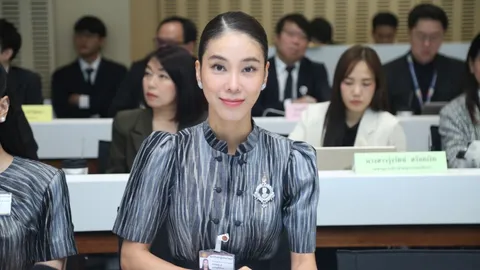
Suchada: Meet the reluctant star of Thailand’s cryptic crypto drama
Speculation growing over merger between Bhumjaithai and Kla Tham parties
Ex-PM Yingluck faulted over transfer of NSC chief
AI In-Brief
Thailand News in Brief
Thai PBS World
Thailand and the world, every day
AI can make mistakes. Please double-check.
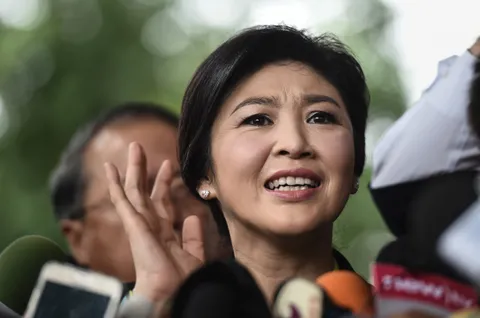
Ex-PM Yingluck faulted over transfer of NSC chief
23 Sept 05:41Key points summarised by AI
Thailand's National Anti-Corruption Commission (NACC) found former Prime Minister Yingluck Shinawatra abused her power by illegally transferring NSC chief Thawil Pliensri, violating Section 157 of the Criminal Code.
The investigation revealed Thawil's transfer in September 2011 was executed with undue haste in just four days, involving memos with altered dates and initiated on a Sunday.
The Supreme Administrative Court previously ruled in 2014 that Yingluck's illegal action aimed to clear the path for a relative to assume the national police chief position.
The NACC has concluded Yingluck committed malfeasance in office and is forwarding the case to the Office of the Attorney-General for litigation in the Supreme Court for Holders of Political Offices.
Speculation growing over merger between Bhumjaithai and Kla Tham parties
Yesterday 16:46Key points summarised by AI
A dinner between Bhumjaithai and Kla Tham party leaders sparked rumors of a potential merger, though Bhumjaithai's leader, Anutin, downplayed it as a casual meal.
The meeting is widely interpreted as a strategic message from Bhumjaithai to the Pheu Thai party, signaling alternative support ahead of an upcoming no-confidence debate.
Thailand's Constitution (Section 99) currently prohibits direct mergers of parties with sitting MPs during the House's term, a rule designed to prevent the 'buying and selling' of MPs.
While direct mergers are restricted, MPs can still switch parties if dismissed by a three-fourths party vote or if their party dissolves, allowing for indirect political realignments.
Kla Tham's voting behavior in the censure debate will demonstrate its loyalty to the government, potentially influencing future political dynamics despite current merger restrictions.