Cabinet approves ฿10.5bn central fund for flood relief
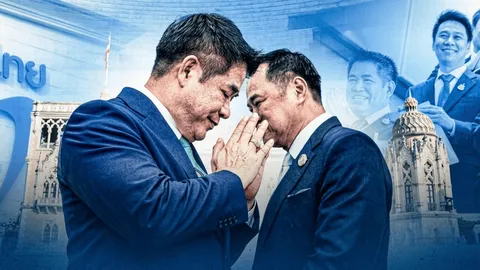
Speculation growing over merger between Bhumjaithai and Kla Tham parties
Progressive Movement claims it was slandered over donation disbursement
AI In-Brief
Thailand News in Brief
Thai PBS World
Thailand and the world, every day
AI can make mistakes. Please double-check.
Progressive Movement claims it was slandered over donation disbursement
14 Sept 02:54Key points summarised by AI
The Progressive Movement (Kao Na) strongly refutes "dirty political slander" concerning the alleged opaque disbursement of 7.5 million baht in public donations.
Donations, collected from "May Day – May Day We Help" concerts, aimed to support artists and individuals impacted by lockdown business closures, with 7.5 million baht distributed to 2,443 recipients.
The movement asserts full transparency, publishing recipient names and financial summaries online, and confirms 222,783 baht remains in the account, denying any personal use of funds.
Challenging its accusers, the movement invites public verification of all bank transactions on its website, condemning the use of baseless "dirty politics" to sow confusion.
Speculation growing over merger between Bhumjaithai and Kla Tham parties
Yesterday 16:46Key points summarised by AI
A dinner between Bhumjaithai and Kla Tham party leaders sparked rumors of a potential merger, though Bhumjaithai's leader, Anutin, downplayed it as a casual meal.
The meeting is widely interpreted as a strategic message from Bhumjaithai to the Pheu Thai party, signaling alternative support ahead of an upcoming no-confidence debate.
Thailand's Constitution (Section 99) currently prohibits direct mergers of parties with sitting MPs during the House's term, a rule designed to prevent the 'buying and selling' of MPs.
While direct mergers are restricted, MPs can still switch parties if dismissed by a three-fourths party vote or if their party dissolves, allowing for indirect political realignments.
Kla Tham's voting behavior in the censure debate will demonstrate its loyalty to the government, potentially influencing future political dynamics despite current merger restrictions.