Bai Lu meet-and-greet cancelled days after China’s safety warning
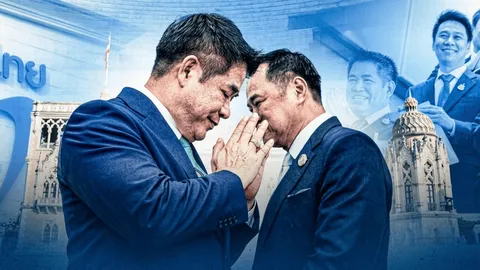
Speculation growing over merger between Bhumjaithai and Kla Tham parties
New amnesty proposal comes with same old burning question
AI In-Brief
Thailand News in Brief
Thai PBS World
Thailand and the world, every day
AI can make mistakes. Please double-check.
New amnesty proposal comes with same old burning question
21 Sept 05:44Key points summarised by AI
Senator Kamnoon Sidhisamarn proposes a new amnesty for political offenders from the past 15 years, aiming for national reconciliation while explicitly excluding those charged with corruption, violent crime, or lese majeste.
Prime Minister Prayut Chan-o-cha has responded coolly, recalling the widespread public anger and political chaos that erupted from a similar blanket amnesty bill in 2013, which was perceived as benefiting politicians like former PM Thaksin Shinawatra.
The core 'burning question' revolves around the scope of the amnesty, particularly whether it will extend to high-profile politicians charged with corruption, a point of contention that previously derailed reconciliation efforts and risks reigniting political conflict.
Political figures and former protest leaders hold divided opinions; some support the pardon for societal respite, while others question its timing, necessity, or suspect it could be exploited for specific political gains, potentially undermining genuine reconciliation.
Speculation growing over merger between Bhumjaithai and Kla Tham parties
Today 16:46Key points summarised by AI
A dinner between Bhumjaithai and Kla Tham party leaders sparked rumors of a potential merger, though Bhumjaithai's leader, Anutin, downplayed it as a casual meal.
The meeting is widely interpreted as a strategic message from Bhumjaithai to the Pheu Thai party, signaling alternative support ahead of an upcoming no-confidence debate.
Thailand's Constitution (Section 99) currently prohibits direct mergers of parties with sitting MPs during the House's term, a rule designed to prevent the 'buying and selling' of MPs.
While direct mergers are restricted, MPs can still switch parties if dismissed by a three-fourths party vote or if their party dissolves, allowing for indirect political realignments.
Kla Tham's voting behavior in the censure debate will demonstrate its loyalty to the government, potentially influencing future political dynamics despite current merger restrictions.