Suchada: Meet the reluctant star of Thailand’s cryptic crypto drama
Speculation growing over merger between Bhumjaithai and Kla Tham parties
Govt feels heat as pressure mounts for charter amendments
AI In-Brief
Thailand News in Brief
Thai PBS World
Thailand and the world, every day
AI can make mistakes. Please double-check.
Govt feels heat as pressure mounts for charter amendments
14 Sept 02:07Key points summarised by AI
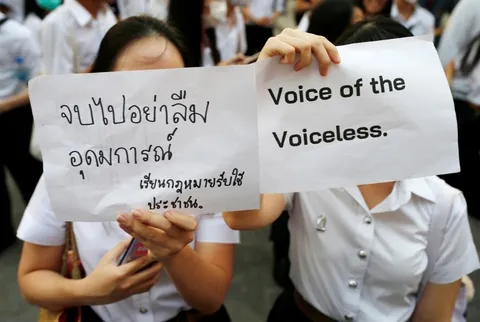
Pressure mounts for constitutional reform: Anti-establishment protests, backed by a broad coalition, are demanding amendments to Thailand's 2017 Constitution, drafted post-2014 coup.
Government yields to calls: Prime Minister Prayut's government and coalition MPs now support charter amendments, with a House committee recommending changing Article 256 to enable a new drafting assembly.
Undemocratic provisions criticized: Critics highlight "undemocratic" clauses, particularly the one allowing junta-appointed senators to vote for the prime minister, which secured the current government's power.
Difficult amendment process: The current charter is intentionally hard to amend, requiring extensive parliamentary approval, senatorial support, and a national referendum, a process estimated to take over a year.
Skepticism on sincerity: Despite official support, many observers doubt the genuine commitment of the ruling powers and their Senate allies to enact meaningful changes that might reduce their influence.
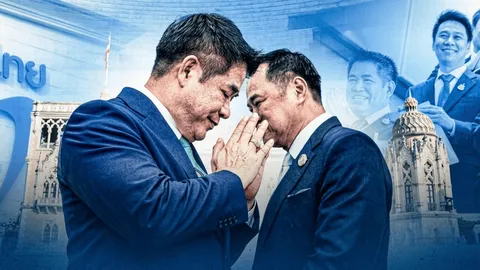
Speculation growing over merger between Bhumjaithai and Kla Tham parties
Yesterday 16:46Key points summarised by AI
A dinner between Bhumjaithai and Kla Tham party leaders sparked rumors of a potential merger, though Bhumjaithai's leader, Anutin, downplayed it as a casual meal.
The meeting is widely interpreted as a strategic message from Bhumjaithai to the Pheu Thai party, signaling alternative support ahead of an upcoming no-confidence debate.
Thailand's Constitution (Section 99) currently prohibits direct mergers of parties with sitting MPs during the House's term, a rule designed to prevent the 'buying and selling' of MPs.
While direct mergers are restricted, MPs can still switch parties if dismissed by a three-fourths party vote or if their party dissolves, allowing for indirect political realignments.
Kla Tham's voting behavior in the censure debate will demonstrate its loyalty to the government, potentially influencing future political dynamics despite current merger restrictions.