Speculation growing over merger between Bhumjaithai and Kla Tham parties
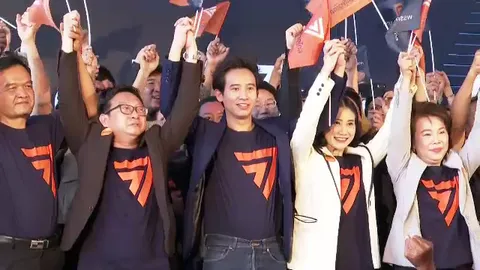
Kao Klai party proposes three constitutional amendments
AI In-Brief
Thailand News in Brief
Thai PBS World
Thailand and the world, every day
AI can make mistakes. Please double-check.
Kao Klai party proposes three constitutional amendments
14 Sept 09:43Key points summarised by AI
Kao Klai party proposes three key constitutional amendments, initially excluding chapters on the Monarchy and Thai sovereignty.
The amendments aim to establish a directly elected Constitution Drafting Assembly (CDA), revoke sections creating an appointed Senate, and nullify all orders issued by the military junta (NCPO).
The proposed CDA would be empowered to amend every chapter of the current charter, including those concerning the Monarchy and national indivisibility.
Kao Klai diverged from other parties' amendment efforts due to a clause prohibiting changes to Chapters 1 and 2, which they deem misleading.
The party emphasizes that while the power to write the Constitution belongs to the people, amendments must uphold democratic governance with the King as head of state.
Speculation growing over merger between Bhumjaithai and Kla Tham parties
Today 16:46Key points summarised by AI
A dinner between Bhumjaithai and Kla Tham party leaders sparked rumors of a potential merger, though Bhumjaithai's leader, Anutin, downplayed it as a casual meal.
The meeting is widely interpreted as a strategic message from Bhumjaithai to the Pheu Thai party, signaling alternative support ahead of an upcoming no-confidence debate.
Thailand's Constitution (Section 99) currently prohibits direct mergers of parties with sitting MPs during the House's term, a rule designed to prevent the 'buying and selling' of MPs.
While direct mergers are restricted, MPs can still switch parties if dismissed by a three-fourths party vote or if their party dissolves, allowing for indirect political realignments.
Kla Tham's voting behavior in the censure debate will demonstrate its loyalty to the government, potentially influencing future political dynamics despite current merger restrictions.