Speculation growing over merger between Bhumjaithai and Kla Tham parties
Thai navy’s top brass accuse Pheu Thai of politicizing submarine procurement
AI In-Brief
Thailand News in Brief
Thai PBS World
Thailand and the world, every day
AI can make mistakes. Please double-check.
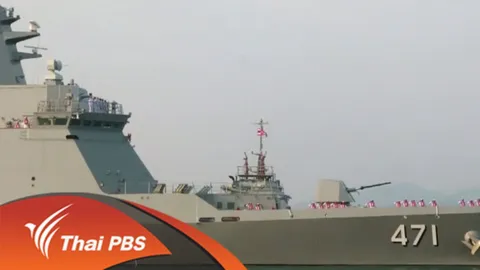
Thai navy’s top brass accuse Pheu Thai of politicizing submarine procurement
13 Sept 08:23Key points summarised by AI
Thai Navy officials vigorously defend the 22.5 billion baht procurement of two Chinese submarines, accusing the opposition Pheu Thai party of politicizing the issue to create public misunderstanding and animosity.
The Navy asserts the transparency and legitimacy of the government-to-government (G-to-G) submarine deal, contrasting it with Pheu Thai's past 'fake G-to-G rice deal' allegations.
Officials emphasize the strategic necessity of acquiring submarines for national security, strengthening maritime territory negotiations, and protecting Thailand's 24 trillion baht marine resources, citing fleets owned by neighboring countries.
The 22.5 billion baht cost for the two submarines is structured to be paid in installments over a seven-year period.
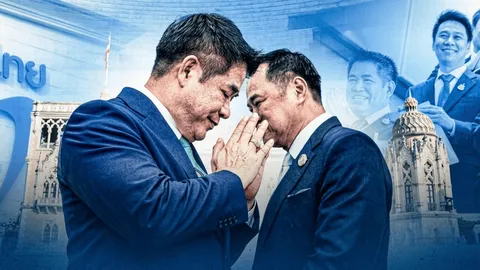
Speculation growing over merger between Bhumjaithai and Kla Tham parties
Today 16:46Key points summarised by AI
A dinner between Bhumjaithai and Kla Tham party leaders sparked rumors of a potential merger, though Bhumjaithai's leader, Anutin, downplayed it as a casual meal.
The meeting is widely interpreted as a strategic message from Bhumjaithai to the Pheu Thai party, signaling alternative support ahead of an upcoming no-confidence debate.
Thailand's Constitution (Section 99) currently prohibits direct mergers of parties with sitting MPs during the House's term, a rule designed to prevent the 'buying and selling' of MPs.
While direct mergers are restricted, MPs can still switch parties if dismissed by a three-fourths party vote or if their party dissolves, allowing for indirect political realignments.
Kla Tham's voting behavior in the censure debate will demonstrate its loyalty to the government, potentially influencing future political dynamics despite current merger restrictions.