Bai Lu meet-and-greet cancelled days after China’s safety warning
Speculation growing over merger between Bhumjaithai and Kla Tham parties
Two Hong Kong opposition lawmakers arrested over protests
AI In-Brief
Thailand News in Brief
Thai PBS World
Thailand and the world, every day
AI can make mistakes. Please double-check.
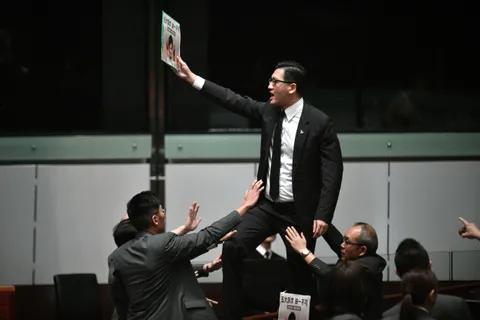
Two Hong Kong opposition lawmakers arrested over protests
13 Sept 12:41Key points summarised by AI
Two prominent Hong Kong opposition lawmakers, Lam Cheuk-ting and Ted Hui, were arrested in a police operation targeting last year's anti-government protests.
Lam faces charges including 'participating in rioting' during the July 21 Yuen Long incident and conspiring to damage property, while Hui is charged with attempted obstruction of justice and criminal damage related to a July 6 protest.
These arrests are part of a widening crackdown against Hong Kong's democracy camp, following months of pro-democracy protests and Beijing's imposition of a sweeping new national security law.
The new security law has criminalized certain political views, led to numerous arrests of pro-democracy figures, and prompted international responses like sanctions and the termination of extradition agreements.
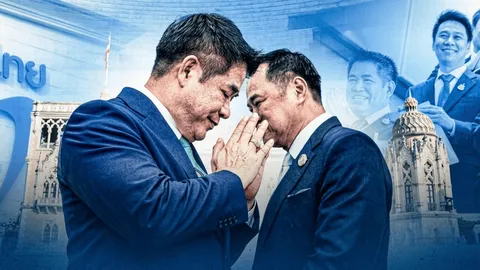
Speculation growing over merger between Bhumjaithai and Kla Tham parties
Today 16:46Key points summarised by AI
A dinner between Bhumjaithai and Kla Tham party leaders sparked rumors of a potential merger, though Bhumjaithai's leader, Anutin, downplayed it as a casual meal.
The meeting is widely interpreted as a strategic message from Bhumjaithai to the Pheu Thai party, signaling alternative support ahead of an upcoming no-confidence debate.
Thailand's Constitution (Section 99) currently prohibits direct mergers of parties with sitting MPs during the House's term, a rule designed to prevent the 'buying and selling' of MPs.
While direct mergers are restricted, MPs can still switch parties if dismissed by a three-fourths party vote or if their party dissolves, allowing for indirect political realignments.
Kla Tham's voting behavior in the censure debate will demonstrate its loyalty to the government, potentially influencing future political dynamics despite current merger restrictions.