Bai Lu meet-and-greet cancelled days after China’s safety warning
Speculation growing over merger between Bhumjaithai and Kla Tham parties
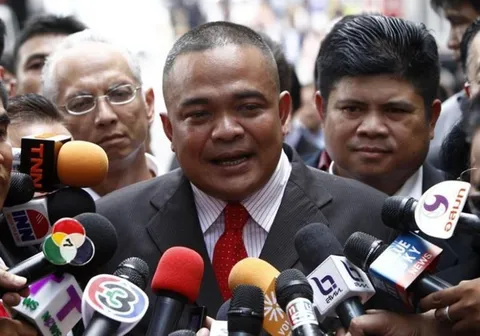
UDD leader hits back at critics, branding them a new breed of dictators
AI In-Brief
Thailand News in Brief
Thai PBS World
Thailand and the world, every day
AI can make mistakes. Please double-check.
UDD leader hits back at critics, branding them a new breed of dictators
27 Sept 03:36Key points summarised by AI
UDD leader Jatuporn Promphan branded the Kao Klai party and its supporters as "a new breed of dictators" for their intolerance towards differing political opinions.
Jatuporn's remarks followed fierce criticism from Kao Klai members over his disagreement with their proposal to amend Section 272, which aims to limit the Senate's power.
He publicly supports the Pheu Thai party's proposal to amend Section 265, advocating for a Constitution Drafting Assembly as a more "logical and practical" approach to wider constitutional changes.
Jatuporn challenged Kao Klai and the Progressive Movement to actively lead student protests to achieve their political aspirations, rather than leaving students to fight alone.
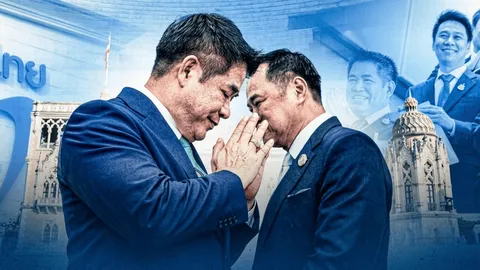
Speculation growing over merger between Bhumjaithai and Kla Tham parties
Today 16:46Key points summarised by AI
A dinner between Bhumjaithai and Kla Tham party leaders sparked rumors of a potential merger, though Bhumjaithai's leader, Anutin, downplayed it as a casual meal.
The meeting is widely interpreted as a strategic message from Bhumjaithai to the Pheu Thai party, signaling alternative support ahead of an upcoming no-confidence debate.
Thailand's Constitution (Section 99) currently prohibits direct mergers of parties with sitting MPs during the House's term, a rule designed to prevent the 'buying and selling' of MPs.
While direct mergers are restricted, MPs can still switch parties if dismissed by a three-fourths party vote or if their party dissolves, allowing for indirect political realignments.
Kla Tham's voting behavior in the censure debate will demonstrate its loyalty to the government, potentially influencing future political dynamics despite current merger restrictions.