Bai Lu meet-and-greet cancelled days after China’s safety warning
Speculation growing over merger between Bhumjaithai and Kla Tham parties
Thailand ready for new Constitution, but who will write it?
AI In-Brief
Thailand News in Brief
Thai PBS World
Thailand and the world, every day
AI can make mistakes. Please double-check.
Thailand ready for new Constitution, but who will write it?
13 Sept 14:39Key points summarised by AI
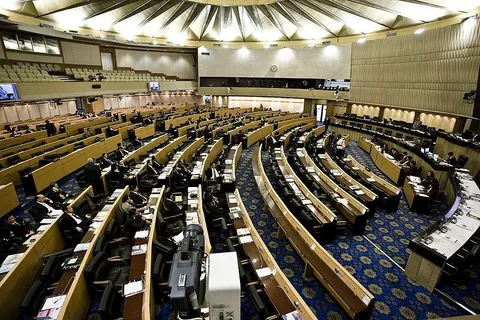
Thailand's Parliament is poised to discuss critical amendments to the junta-written Constitution, responding to intense pressure from youth-led anti-establishment protests demanding significant changes.
Key proposals include establishing a Constitution Drafting Assembly (CDA) to create a new charter and curtailing the power of the 250 junta-appointed senators, specifically their role in electing the prime minister.
While the formation of a CDA is likely to gain parliamentary approval, efforts to remove the Senate's prime ministerial voting power face strong opposition, as senators are unlikely to vote against their own influence.
The escalating momentum of youth-led protests, with a large rally anticipated, is expected to heavily influence parliamentarians' decisions on charter amendments, particularly concerning the contentious Senate powers.
Concerns remain about the CDA's composition and the new charter's democratic legitimacy, with critics advocating for broad public participation to prevent the perpetuation of military influence, drawing parallels to the inclusive 1997 'People's Constitution'.
Speculation growing over merger between Bhumjaithai and Kla Tham parties
Today 16:46Key points summarised by AI
A dinner between Bhumjaithai and Kla Tham party leaders sparked rumors of a potential merger, though Bhumjaithai's leader, Anutin, downplayed it as a casual meal.
The meeting is widely interpreted as a strategic message from Bhumjaithai to the Pheu Thai party, signaling alternative support ahead of an upcoming no-confidence debate.
Thailand's Constitution (Section 99) currently prohibits direct mergers of parties with sitting MPs during the House's term, a rule designed to prevent the 'buying and selling' of MPs.
While direct mergers are restricted, MPs can still switch parties if dismissed by a three-fourths party vote or if their party dissolves, allowing for indirect political realignments.
Kla Tham's voting behavior in the censure debate will demonstrate its loyalty to the government, potentially influencing future political dynamics despite current merger restrictions.