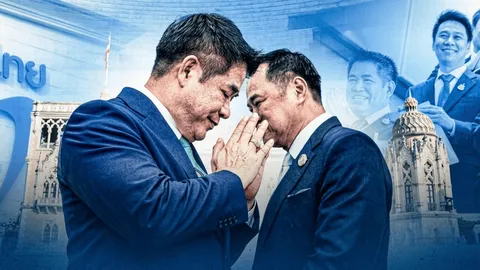
Speculation growing over merger between Bhumjaithai and Kla Tham parties
Thailand’s Palang Pracharat Party against any changes to Constitution regarding the Monarchy
AI In-Brief
Thailand News in Brief
Thai PBS World
Thailand and the world, every day
AI can make mistakes. Please double-check.
Thailand’s Palang Pracharat Party against any changes to Constitution regarding the Monarchy
13 Sept 14:04Key points summarised by AI
Thailand’s Palang Pracharat Party, led by Deputy PM Prawit Wongsuwan, affirmed its full support and reverence for the Monarchy amid calls for institutional reform.
The ruling party backs constitutional amendments but explicitly excludes changes to chapters 1 and 2, which cover democratic administration and the Monarchy.
The party voiced concern over the current political situation and an increase in alleged offenses against the Monarchy.
Prime Minister Prayut Chan-o-cha recognized protesters' rights to rally but stressed that demonstrations must remain within legal boundaries, assuring the government's readiness to address societal issues.
The Prime Minister instructed police to ensure protester safety from potential third-party instigators and urged the public to remain peaceful while following government updates on COVID-19 and economic recovery.
Speculation growing over merger between Bhumjaithai and Kla Tham parties
Yesterday 16:46Key points summarised by AI
A dinner between Bhumjaithai leader Anutin Charnvirakul and Kla Tham leader Capt. Thamanat Prompow ignited widespread speculation about a potential merger between their parties.
The meeting is viewed as a strategic message to coalition partner Pheu Thai, indicating Bhumjaithai's alternative options following Pheu Thai's chief whip's remarks about not fully defending all ministers in the upcoming no-confidence debate.
A direct merger between parties with sitting MPs is currently prohibited by Section 99 of the Constitution until the House's term expires, though MPs can switch parties through dismissal or party dissolution.
These constitutional rules aim to prevent financially strong parties from easily absorbing smaller ones, a practice that historically led to single-party dominance, as seen with Thai Rak Thai's 2005 election victory.