Bai Lu meet-and-greet cancelled days after China’s safety warning
Speculation growing over merger between Bhumjaithai and Kla Tham parties
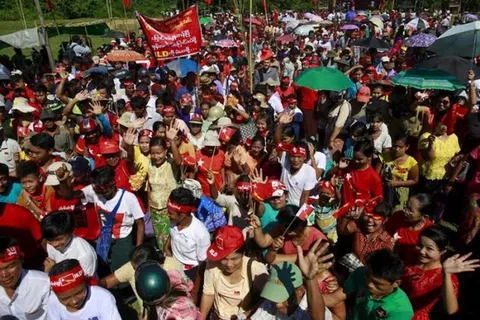
Myanmar general’s comments on election cause stir
AI In-Brief
Thailand News in Brief
Thai PBS World
Thailand and the world, every day
AI can make mistakes. Please double-check.
Myanmar general’s comments on election cause stir
14 Sept 02:59Key points summarised by AI
Senior General Min Aung Hlaing, Myanmar's military commander-in-chief, questioned the integrity of the upcoming general election, hinting at military action if the ruling NLD party secures another victory.
The government, through spokesman U Zaw Htay, swiftly condemned the general's remarks, accusing him of inciting instability, violating the Constitution, and making groundless allegations.
The military had previously issued a statement criticizing the Union Election Commission for alleged incompetence, citing issues like voter-list errors and weak supervision, which the government largely dismissed.
These provocative comments, made just days before the November 8 election, underscore deep political tensions and the military's persistent influence despite the NLD's previous landslide win.
Speculation growing over merger between Bhumjaithai and Kla Tham parties
Yesterday 16:46Key points summarised by AI
A dinner between Bhumjaithai leader Anutin Charnvirakul and Kla Tham leader Capt. Thamanat Prompow ignited widespread speculation about a potential merger between their parties.
The meeting is viewed as a strategic message to coalition partner Pheu Thai, indicating Bhumjaithai's alternative options following Pheu Thai's chief whip's remarks about not fully defending all ministers in the upcoming no-confidence debate.
A direct merger between parties with sitting MPs is currently prohibited by Section 99 of the Constitution until the House's term expires, though MPs can switch parties through dismissal or party dissolution.
These constitutional rules aim to prevent financially strong parties from easily absorbing smaller ones, a practice that historically led to single-party dominance, as seen with Thai Rak Thai's 2005 election victory.