Suchada: Meet the reluctant star of Thailand’s cryptic crypto drama
Speculation growing over merger between Bhumjaithai and Kla Tham parties
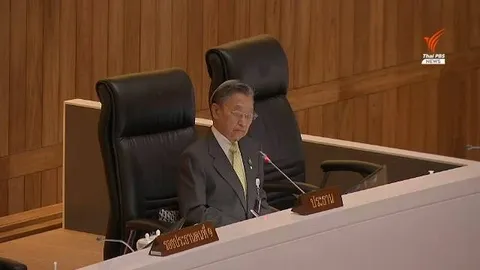
Senators ask Chuan to seek Constitutional Court ruling on constitutionality of 3 draft charter amendments
AI In-Brief
Thailand News in Brief
Thai PBS World
Thailand and the world, every day
AI can make mistakes. Please double-check.
Senators ask Chuan to seek Constitutional Court ruling on constitutionality of 3 draft charter amendments
16 Sept 13:25Key points summarised by AI
A group of 40 senators has formally requested Parliament President Chuan Leekpai to seek a Constitutional Court ruling on the legality of three draft constitutional amendments, including one proposed by the iLaw NGO.
Senators expressed significant concerns over iLaw's draft, particularly its proposal to abrogate seven organic laws related to independent anti-corruption bodies like the National Anti-Corruption Commission (NACC), fearing it could 'whitewash' corruption cases and create a legal vacuum.
Doubts were raised about iLaw's motives, with senators suspecting political influence or a sole aim to dismantle legacies of the previous junta, highlighting that iLaw's draft uniquely does not prohibit amending Chapters 1 and 2 of the Constitution, which concern the Monarchy.
Speculation growing over merger between Bhumjaithai and Kla Tham parties
Yesterday 16:46Key points summarised by AI
A dinner between Bhumjaithai leader Anutin Charnvirakul and Kla Tham leader Capt. Thamanat Prompow ignited widespread speculation about a potential merger between their parties.
The meeting is viewed as a strategic message to coalition partner Pheu Thai, indicating Bhumjaithai's alternative options following Pheu Thai's chief whip's remarks about not fully defending all ministers in the upcoming no-confidence debate.
A direct merger between parties with sitting MPs is currently prohibited by Section 99 of the Constitution until the House's term expires, though MPs can switch parties through dismissal or party dissolution.
These constitutional rules aim to prevent financially strong parties from easily absorbing smaller ones, a practice that historically led to single-party dominance, as seen with Thai Rak Thai's 2005 election victory.