Speculation growing over merger between Bhumjaithai and Kla Tham parties
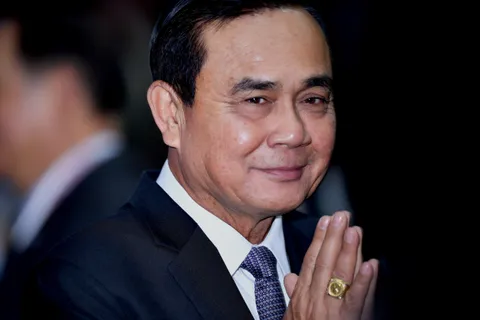
Prayut shoots down bid to scrap military draft
AI In-Brief
Thailand News in Brief
Thai PBS World
Thailand and the world, every day
AI can make mistakes. Please double-check.
Prayut shoots down bid to scrap military draft
13 Sept 10:40Key points summarised by AI
Prime Minister Prayut Chan-o-cha blocked an opposition bill to abolish military conscription, leveraging his constitutional power over 'money bills' by refusing endorsement.
The Move Forward Party, continuing the campaign, accused Prayut of using his authority for 'political objectives' and denying parliamentary debate on the issue.
Prayut defended conscription as vital for national defense and claimed it offers 'social equality,' noting a significant portion of conscripts volunteer.
The compulsory draft faces widespread societal opposition due to perceived unfairness, with the wealthy often avoiding service while poorer individuals are disproportionately affected.
The system is heavily criticized for alleged human rights violations, including forced labor, salary fraud, and numerous suspicious deaths of conscripts at military bases.
Speculation growing over merger between Bhumjaithai and Kla Tham parties
Yesterday 16:46Key points summarised by AI
A dinner between Bhumjaithai leader Anutin Charnvirakul and Kla Tham leader Capt. Thamanat Prompow ignited widespread speculation about a potential merger between their parties.
The meeting is viewed as a strategic message to coalition partner Pheu Thai, indicating Bhumjaithai's alternative options following Pheu Thai's chief whip's remarks about not fully defending all ministers in the upcoming no-confidence debate.
A direct merger between parties with sitting MPs is currently prohibited by Section 99 of the Constitution until the House's term expires, though MPs can switch parties through dismissal or party dissolution.
These constitutional rules aim to prevent financially strong parties from easily absorbing smaller ones, a practice that historically led to single-party dominance, as seen with Thai Rak Thai's 2005 election victory.