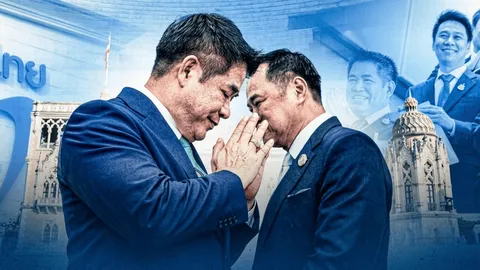
Speculation growing over merger between Bhumjaithai and Kla Tham parties
The rocks and roadblocks on Thailand’s path to a new Constitution
AI In-Brief
Thailand News in Brief
Thai PBS World
Thailand and the world, every day
AI can make mistakes. Please double-check.
The rocks and roadblocks on Thailand’s path to a new Constitution
13 Sept 13:54Key points summarised by AI
Thailand's journey to a new Constitution faces significant delays, with a new supreme law not anticipated until at least 2022 as lawmakers navigate complex amendment procedures.
Initial drafts for a Constitution Drafting Assembly (CDA) have passed, yet fundamental disagreements persist between government and opposition on the CDA's structure and timeline, notably excluding chapters on the monarchy.
The push for constitutional reform is intensified by ongoing youth-led protests demanding a more democratic charter and challenging provisions seen as consolidating Prime Minister Prayut's power.
A major legal hurdle has emerged as a group of senators seeks a Constitutional Court ruling on whether drafting an entirely new charter is permissible, a move that threatens to significantly delay or even derail the entire amendment process.
Speculation growing over merger between Bhumjaithai and Kla Tham parties
Yesterday 16:46Key points summarised by AI
A dinner between Bhumjaithai leader Anutin Charnvirakul and Kla Tham leader Capt. Thamanat Prompow ignited widespread speculation about a potential merger between their parties.
The meeting is viewed as a strategic message to coalition partner Pheu Thai, indicating Bhumjaithai's alternative options following Pheu Thai's chief whip's remarks about not fully defending all ministers in the upcoming no-confidence debate.
A direct merger between parties with sitting MPs is currently prohibited by Section 99 of the Constitution until the House's term expires, though MPs can switch parties through dismissal or party dissolution.
These constitutional rules aim to prevent financially strong parties from easily absorbing smaller ones, a practice that historically led to single-party dominance, as seen with Thai Rak Thai's 2005 election victory.