Bai Lu meet-and-greet cancelled days after China’s safety warning
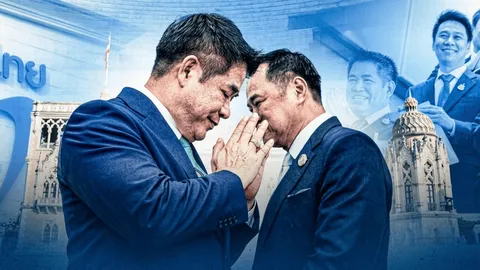
Speculation growing over merger between Bhumjaithai and Kla Tham parties
No end in sight as both sides refuse to shift their stance
AI In-Brief
Thailand News in Brief
Thai PBS World
Thailand and the world, every day
AI can make mistakes. Please double-check.
No end in sight as both sides refuse to shift their stance
15 Sept 05:29Key points summarised by AI
Thai politics is deadlocked as anti-establishment protesters demand the Prime Minister's resignation, constitutional reform, and monarchy reform, with neither side showing willingness to compromise.
Protests are escalating, directly challenging the monarchy, leading to increased risks of violence, clashes, and concerns over potential government responses like martial law or a military coup.
Reconciliation efforts have failed, and the government has revived the draconian lese majeste law (Article 112) against protest leaders, marking a significant escalation and a 'point of no return' for the movement.
Analysts predict a prolonged 'cold war' where PM Prayut may remain in power until 2023, while protesters actively prepare to resist any potential military intervention, indicating a deepening political crisis.
Speculation growing over merger between Bhumjaithai and Kla Tham parties
Yesterday 16:46Key points summarised by AI
A dinner between Bhumjaithai leader Anutin Charnvirakul and Kla Tham leader Capt. Thamanat Prompow ignited widespread speculation about a potential merger between their parties.
The meeting is viewed as a strategic message to coalition partner Pheu Thai, indicating Bhumjaithai's alternative options following Pheu Thai's chief whip's remarks about not fully defending all ministers in the upcoming no-confidence debate.
A direct merger between parties with sitting MPs is currently prohibited by Section 99 of the Constitution until the House's term expires, though MPs can switch parties through dismissal or party dissolution.
These constitutional rules aim to prevent financially strong parties from easily absorbing smaller ones, a practice that historically led to single-party dominance, as seen with Thai Rak Thai's 2005 election victory.