Bai Lu meet-and-greet cancelled days after China’s safety warning
Speculation growing over merger between Bhumjaithai and Kla Tham parties
A closer look at the King’s 2 Regiments now in protesters’ sights
AI In-Brief
Thailand News in Brief
Thai PBS World
Thailand and the world, every day
AI can make mistakes. Please double-check.
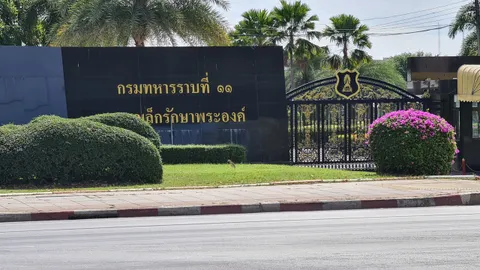
A closer look at the King’s 2 Regiments now in protesters’ sights
13 Sept 05:13Key points summarised by AI
Anti-establishment protesters are targeting HM the King's direct control over the 1st and 11th Infantry Regiments, demanding the monarchy not possess its own military force.
These regiments, particularly the 11th, have a significant history of involvement in Thai political events, including coup attempts and the dispersal of demonstrations, which protesters aim to end.
A 2019 royal decree transferred control of both regiments to the King’s Royal Security Command, a move viewed by some as an attempt to keep the military out of politics, but by protesters as a consolidation of royal power.
Recent royal decrees reclassified the extensive land occupied by these regiments from 'public land' to 'royal ground,' further emphasizing their direct association with the monarchy amidst ongoing protests.
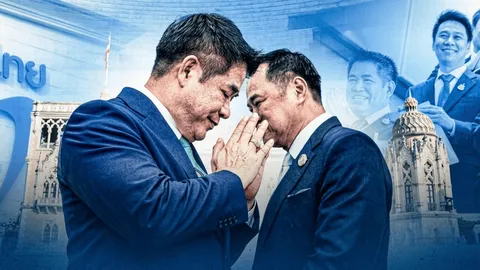
Speculation growing over merger between Bhumjaithai and Kla Tham parties
Yesterday 16:46Key points summarised by AI
A dinner between Bhumjaithai leader Anutin Charnvirakul and Kla Tham leader Capt. Thamanat Prompow ignited widespread speculation about a potential merger between their parties.
The meeting is viewed as a strategic message to coalition partner Pheu Thai, indicating Bhumjaithai's alternative options following Pheu Thai's chief whip's remarks about not fully defending all ministers in the upcoming no-confidence debate.
A direct merger between parties with sitting MPs is currently prohibited by Section 99 of the Constitution until the House's term expires, though MPs can switch parties through dismissal or party dissolution.
These constitutional rules aim to prevent financially strong parties from easily absorbing smaller ones, a practice that historically led to single-party dominance, as seen with Thai Rak Thai's 2005 election victory.