Speculation growing over merger between Bhumjaithai and Kla Tham parties
Can Thailand’s protest movement heal its ideological split?
AI In-Brief
Thailand News in Brief
Thai PBS World
Thailand and the world, every day
AI can make mistakes. Please double-check.
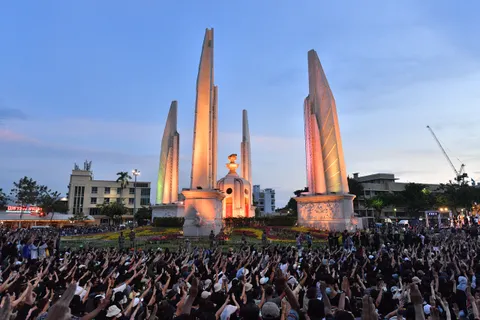
Can Thailand’s protest movement heal its ideological split?
13 Sept 17:19Key points summarised by AI
An ideological split emerged within Thailand's anti-establishment protest movement, as the Free Youth group advocated for republicanism and communism, diverging from the broader movement's core demand for democracy and monarchy reform.
Prominent protest leaders and groups, including Ratsadon, publicly disavowed Free Youth's new direction, reiterating their commitment to the original three demands: the Prime Minister's resignation, a new democratic constitution, and monarchy reform.
Analysts view these internal disputes as natural for a "leaderless" movement composed of diverse groups, suggesting the movement can persist if it remains united behind its common goals rather than individual ideologies.
Despite this internal "glitch," the movement, which has successfully pushed for constitutional amendments and open debate on the monarchy, aims to consolidate its standpoints for future campaigns.
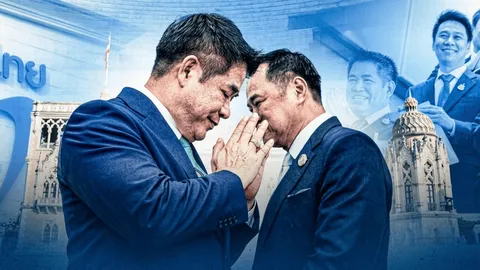
Speculation growing over merger between Bhumjaithai and Kla Tham parties
Yesterday 16:46Key points summarised by AI
A dinner between Bhumjaithai leader Anutin Charnvirakul and Kla Tham leader Capt. Thamanat Prompow ignited widespread speculation about a potential merger between their parties.
The meeting is viewed as a strategic message to coalition partner Pheu Thai, indicating Bhumjaithai's alternative options following Pheu Thai's chief whip's remarks about not fully defending all ministers in the upcoming no-confidence debate.
A direct merger between parties with sitting MPs is currently prohibited by Section 99 of the Constitution until the House's term expires, though MPs can switch parties through dismissal or party dissolution.
These constitutional rules aim to prevent financially strong parties from easily absorbing smaller ones, a practice that historically led to single-party dominance, as seen with Thai Rak Thai's 2005 election victory.