Bai Lu meet-and-greet cancelled days after China’s safety warning
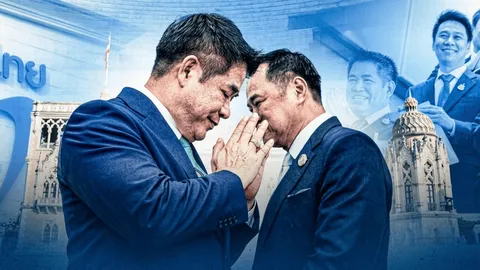
Speculation growing over merger between Bhumjaithai and Kla Tham parties
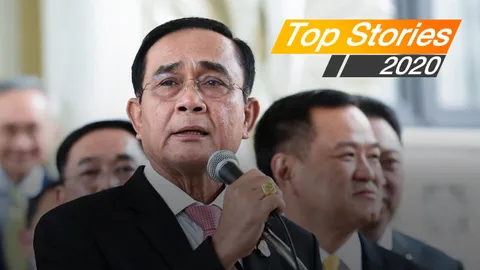
Prayut cements power in 2020 after fending off eviction effort
AI In-Brief
Thailand News in Brief
Thai PBS World
Thailand and the world, every day
AI can make mistakes. Please double-check.
Prayut cements power in 2020 after fending off eviction effort
13 Sept 08:39Key points summarised by AI
The Constitutional Court ruled in December 2020 that Prime Minister Prayut Chan-o-cha could continue living in an Army residence, dismissing a conflict-of-interest case and solidifying his position.
The court justified its decision by citing Army regulations allowing him to stay as a former chief, a verdict that significantly strengthened his hold on power.
The ruling angered anti-establishment protesters, who accused the court of double standards and vowed to escalate their campaigns, while Prayut appeared to gain confidence in dealing with the dissent.
Despite the favorable verdict, Prayut continues to face questions regarding his legitimacy, with new scrutiny over potential anti-corruption violations and an upcoming no-confidence debate.
Speculation growing over merger between Bhumjaithai and Kla Tham parties
Yesterday 16:46Key points summarised by AI
A dinner between Bhumjaithai leader Anutin Charnvirakul and Kla Tham leader Capt. Thamanat Prompow ignited widespread speculation about a potential merger between their parties.
The meeting is viewed as a strategic message to coalition partner Pheu Thai, indicating Bhumjaithai's alternative options following Pheu Thai's chief whip's remarks about not fully defending all ministers in the upcoming no-confidence debate.
A direct merger between parties with sitting MPs is currently prohibited by Section 99 of the Constitution until the House's term expires, though MPs can switch parties through dismissal or party dissolution.
These constitutional rules aim to prevent financially strong parties from easily absorbing smaller ones, a practice that historically led to single-party dominance, as seen with Thai Rak Thai's 2005 election victory.