Bai Lu meet-and-greet cancelled days after China’s safety warning
Speculation growing over merger between Bhumjaithai and Kla Tham parties
Reconciliation committee ‘doomed to fail’ without participation from protesters
AI In-Brief
Thailand News in Brief
Thai PBS World
Thailand and the world, every day
AI can make mistakes. Please double-check.
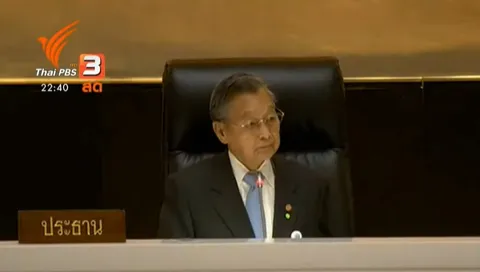
Reconciliation committee ‘doomed to fail’ without participation from protesters
23 Sept 04:34Key points summarised by AI
Thailand's newly established reconciliation committee is heavily criticized for its lack of participation from anti-establishment protesters and opposition parties, casting doubt on its ability to resolve the nation's political conflict.
The 11-member panel predominantly features ruling-coalition politicians, military-appointed senators, and academics, notably excluding key stakeholders whose demands it aims to address.
Critics argue the committee is 'doomed to fail' and risks becoming an 'elite club' that cannot achieve genuine reconciliation without the direct involvement of all conflicting parties.
For any meaningful progress, scholars suggest the committee's primary task must be to persuade opposing sides to join, alongside potential government actions like granting amnesty to protesters and ceasing intimidation.
Speculation growing over merger between Bhumjaithai and Kla Tham parties
Yesterday 16:46Key points summarised by AI
A dinner between Bhumjaithai leader Anutin Charnvirakul and Kla Tham leader Capt. Thamanat Prompow ignited widespread speculation about a potential merger between their parties.
The meeting is viewed as a strategic message to coalition partner Pheu Thai, indicating Bhumjaithai's alternative options following Pheu Thai's chief whip's remarks about not fully defending all ministers in the upcoming no-confidence debate.
A direct merger between parties with sitting MPs is currently prohibited by Section 99 of the Constitution until the House's term expires, though MPs can switch parties through dismissal or party dissolution.
These constitutional rules aim to prevent financially strong parties from easily absorbing smaller ones, a practice that historically led to single-party dominance, as seen with Thai Rak Thai's 2005 election victory.