Suchada: Meet the reluctant star of Thailand’s cryptic crypto drama
Speculation growing over merger between Bhumjaithai and Kla Tham parties
Opposition chief whip sued for defamation over allegations made during censure debate
AI In-Brief
Thailand News in Brief
Thai PBS World
Thailand and the world, every day
AI can make mistakes. Please double-check.
Opposition chief whip sued for defamation over allegations made during censure debate
14 Sept 03:26Key points summarised by AI
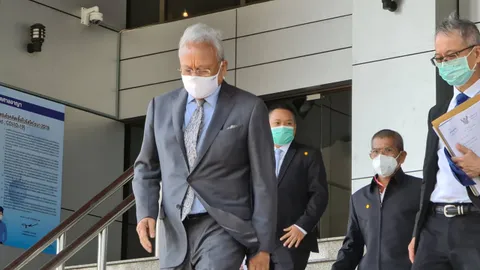
Former Transport Minister Suthep Thaugsuban filed a defamation lawsuit against opposition chief whip Suthin Klangsaeng.
The lawsuit stems from Suthin's accusations during a censure debate, linking Suthep to 26 billion baht in damages from the termination of the Hopewell elevated rail project contract.
Suthep maintains that the contract termination had the consent of the Office of the Attorney-General and relevant agencies, due to Hopewell Company's failure to fulfill its contractual obligations.
The Supreme Administrative Court previously ordered the Thai Transport Ministry and State Railway of Thailand to pay Hopewell 24 billion baht in compensation for the project's 1998 cancellation.
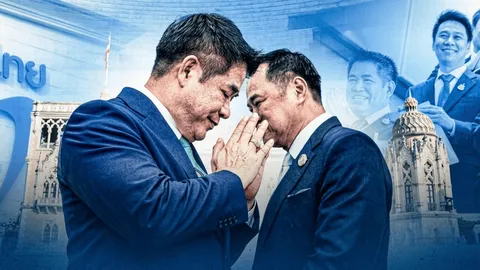
Speculation growing over merger between Bhumjaithai and Kla Tham parties
Yesterday 16:46Key points summarised by AI
A dinner between Bhumjaithai and Kla Tham party leaders sparked rumors of a potential merger, though Bhumjaithai's leader, Anutin, downplayed it as a casual meal.
The meeting is widely interpreted as a strategic message from Bhumjaithai to the Pheu Thai party, signaling alternative support ahead of an upcoming no-confidence debate.
Thailand's Constitution (Section 99) currently prohibits direct mergers of parties with sitting MPs during the House's term, a rule designed to prevent the 'buying and selling' of MPs.
While direct mergers are restricted, MPs can still switch parties if dismissed by a three-fourths party vote or if their party dissolves, allowing for indirect political realignments.
Kla Tham's voting behavior in the censure debate will demonstrate its loyalty to the government, potentially influencing future political dynamics despite current merger restrictions.