Israeli and Thai nationals held in Bangkok over secret filming of sexual encounters
Holy basil registration will not restrict native varieties - CPRAM
255,000 people have received treatment for nose and eye irritation caused by pollution
AI In-Brief
Thailand News in Brief
Thai PBS World
Thailand and the world, every day
AI can make mistakes. Please double-check.
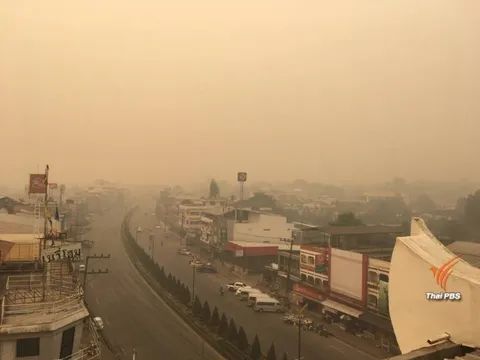
255,000 people have received treatment for nose and eye irritation caused by pollution
20 Sept 10:58Key points summarised by AI
Over 255,000 individuals in Thailand's northern provinces sought treatment for nose and eye irritation this year, primarily due to excessive PM2.5 dust.
Seasonal air pollution severely impacts those with respiratory diseases, heart conditions, and eye infections, with young children, the elderly, and pregnant women being particularly vulnerable.
The highest number of patients, predominantly aged 45-54, visited hospitals and clinics across 17 northern provinces since January 1st.
Health officials recommend that vulnerable populations avoid outdoor activities and wear medical or N95 masks when outside.
Immediate medical consultation is advised for anyone experiencing breathing difficulties, nausea, or chest pains.
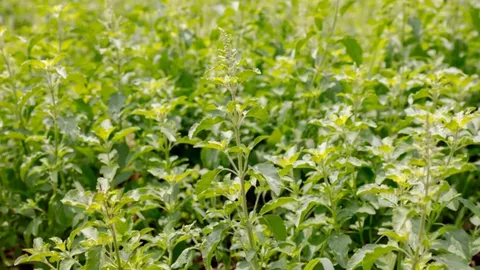
Holy basil registration will not restrict native varieties - CPRAM
Yesterday 12:16Key points summarised by AI
CPRAM registered four *newly developed* holy basil strains (Kaew Churee 01-04) for use in its ready-made food division, not to commercialize seeds or restrict existing varieties.
The company assures that registration *does not impact* the cultivation, sale, or use of over 300 native holy basil strains by farmers and vendors.
These registered strains are a result of joint research with Kasetsart University, developed for improved quality and yield, and are *distinct from* the native varieties widely grown in Thailand.
CPRAM emphasizes that developing new plant varieties aims to enhance agricultural competitiveness and *will not lead to the extinction* of native basil or force farmers to adopt new strains.