Speculation growing over merger between Bhumjaithai and Kla Tham parties
Court orders ex-commerce minister Boonsong and associates to pay ฿14.7bn compensation over rice deal scandal
AI In-Brief
Thailand News in Brief
Thai PBS World
Thailand and the world, every day
AI can make mistakes. Please double-check.
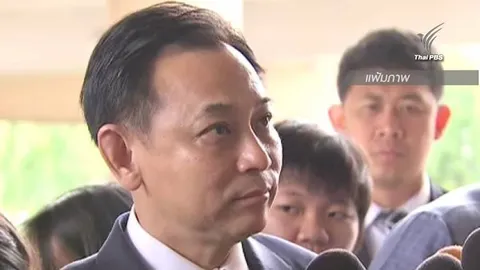
Court orders ex-commerce minister Boonsong and associates to pay ฿14.7bn compensation over rice deal scandal
14 Sept 02:44Key points summarised by AI
Thailand's Central Administrative Court mandated former commerce minister Boonsong Teriyaphirom, former deputy Poom Saraphol, and three senior officials to pay 14.723 billion baht in compensation to the state.
The compensation addresses damages from a fraudulent, non-existent government-to-government (G2G) rice deal during the administration of former Prime Minister Yingluck Shinawatra.
The court found the officials deliberately committed irregular actions, colluding with the private sector to sell rice below market prices and arbitrarily changing payment terms, causing significant state losses.
Rice intended for G2G export was illicitly diverted and sold in the domestic market, resulting in unfair competition and further financial detriment to the state.
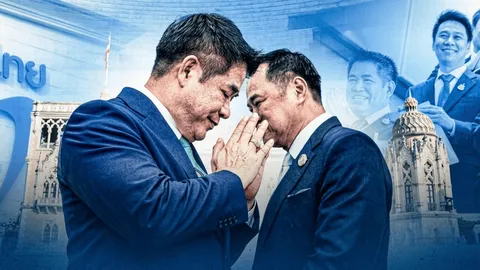
Speculation growing over merger between Bhumjaithai and Kla Tham parties
Today 16:46Key points summarised by AI
A dinner between Bhumjaithai and Kla Tham party leaders sparked rumors of a potential merger, though Bhumjaithai's leader, Anutin, downplayed it as a casual meal.
The meeting is widely interpreted as a strategic message from Bhumjaithai to the Pheu Thai party, signaling alternative support ahead of an upcoming no-confidence debate.
Thailand's Constitution (Section 99) currently prohibits direct mergers of parties with sitting MPs during the House's term, a rule designed to prevent the 'buying and selling' of MPs.
While direct mergers are restricted, MPs can still switch parties if dismissed by a three-fourths party vote or if their party dissolves, allowing for indirect political realignments.
Kla Tham's voting behavior in the censure debate will demonstrate its loyalty to the government, potentially influencing future political dynamics despite current merger restrictions.