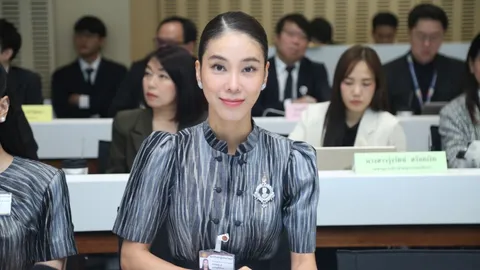
Suchada: Meet the reluctant star of Thailand’s cryptic crypto drama
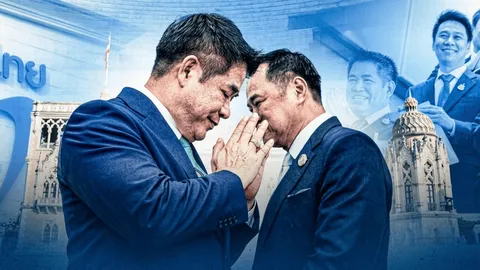
Speculation growing over merger between Bhumjaithai and Kla Tham parties
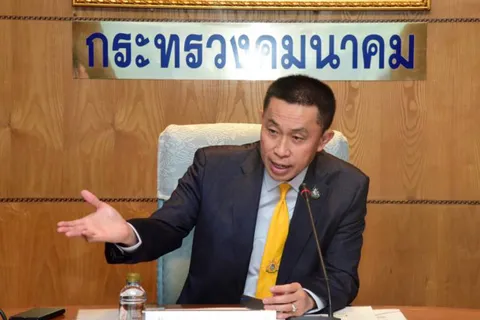
The rise and fall of Saksayam Chidchob, Thailand’s first COVID-positive Cabinet minister
AI In-Brief
Thailand News in Brief
Thai PBS World
Thailand and the world, every day
AI can make mistakes. Please double-check.
The rise and fall of Saksayam Chidchob, Thailand’s first COVID-positive Cabinet minister
21 Sept 04:26Key points summarised by AI
Saksayam Chidchob, Thailand's Transport Minister, became the first Cabinet member to test positive for COVID-19, sparking public anger amid rumors he contracted the virus at a Bangkok nightspot, an epicenter of the third wave.
He faced significant criticism for his alleged lack of transparency, including holding back details of his timeline, which fueled public doubt and calls for higher standards from public officials.
His political career, marked by his rise through the Bhumjaithai party with support from his influential brother Newin, now faces intense scrutiny as the incident highlights broader concerns about government officials' adherence to COVID-19 protocols.
Speculation growing over merger between Bhumjaithai and Kla Tham parties
Today 16:46Key points summarised by AI
A dinner between Bhumjaithai and Kla Tham party leaders sparked rumors of a potential merger, though Bhumjaithai's leader, Anutin, downplayed it as a casual meal.
The meeting is widely interpreted as a strategic message from Bhumjaithai to the Pheu Thai party, signaling alternative support ahead of an upcoming no-confidence debate.
Thailand's Constitution (Section 99) currently prohibits direct mergers of parties with sitting MPs during the House's term, a rule designed to prevent the 'buying and selling' of MPs.
While direct mergers are restricted, MPs can still switch parties if dismissed by a three-fourths party vote or if their party dissolves, allowing for indirect political realignments.
Kla Tham's voting behavior in the censure debate will demonstrate its loyalty to the government, potentially influencing future political dynamics despite current merger restrictions.