Cabinet approves ฿10.5bn central fund for flood relief
Bai Lu meet-and-greet cancelled days after China’s safety warning
695 COVID patients critical as 2,012 new cases recorded on Wednesday
AI In-Brief
Thailand News in Brief
Thai PBS World
Thailand and the world, every day
AI can make mistakes. Please double-check.
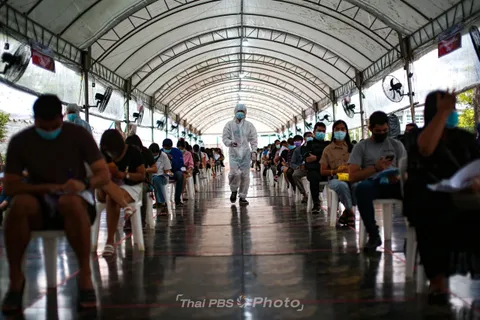
695 COVID patients critical as 2,012 new cases recorded on Wednesday
23 Sept 05:43Key points summarised by AI
Thailand reported 2,012 new COVID-19 cases, 15 additional deaths, and 695 critical patients on ventilators on Wednesday, marking the sixth consecutive day with over 2,000 daily infections.
Cumulative infections since early last year reached 61,699, with 21,119 still receiving hospital treatment and the death toll climbing to 178.
Samut Sakhon province offered to accommodate COVID-19 patients from Bangkok and surrounding areas to alleviate the burden on hospitals in the capital.
Governor Veerasak Vichitsangsri appealed for compassion and mutual support, emphasizing that current infections in Samut Sakhon are primarily among local residents and family members.
Bai Lu meet-and-greet cancelled days after China’s safety warning
Today 15:28Key points summarised by AI
Thailand's Tourism and Sports Minister announced the government will seek clarification from the Chinese Embassy regarding its recent travel advisory warning Chinese nationals about safety concerns in Thailand.
The travel advisory is anticipated to negatively impact the number of Chinese tourists visiting Thailand, despite recent increases in arrivals.
A meet-and-greet event featuring Chinese actress Bai Lu, a WeTV Global Ambassador, was abruptly cancelled just days after the Chinese Embassy issued its safety warning, though no official reason was provided.
The Chinese Embassy's advisory urged citizens to beware of job scams, fraudulent investments, suspicious travel arrangements, and the risk of illegal detention or being lured to the Thai-Myanmar border.
Chinese nationals were advised to verify job offers, use legitimate transport, avoid high-risk border areas, protect personal documents, and keep family informed of travel plans.