Bright at Midnight: Conceptual echoes of Bas Jan Ader Arrive in Bangkok
The Buddha Comes Home
WAI to the New Normal
AI In-Brief
Thailand News in Brief
Thai PBS World
Thailand and the world, every day
AI can make mistakes. Please double-check.
WAI to the New Normal
13 Sept 09:22Key points summarised by AI
The COVID-19 pandemic forced a global reevaluation of traditional physical greetings, like handshakes and hugs, due to the virus's highly contagious nature and the enforcement of social distancing.
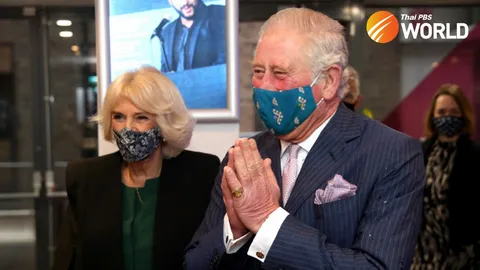
Ancient no-contact gestures, such as Japanese bowing and the Indian/Nepalese Namaste, have gained renewed significance as safe and respectful ways to interact in the 'new normal'.
The Thai Wai, a graceful gesture involving pressed palms and a slight bow, is prominently featured as an ideal no-contact greeting, even suggested by a WHO official, for its safety and cultural respect.
These traditional greetings now serve a vital role in allowing people to maintain social connections and express care without physical contact, adapting to a post-pandemic world.
The Buddha Comes Home
Today 15:38Key points summarised by AI
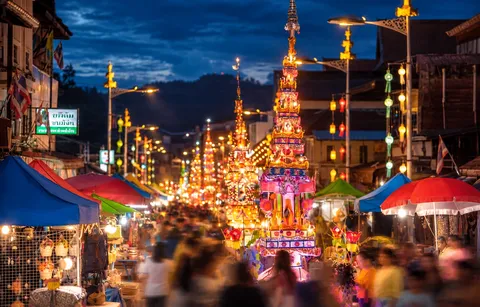
Chong Para is a vibrant annual festival of the Shan (Tai Yai) people in Mae Hong Son, Thailand, celebrating the Buddha's return from Tavatimsa heaven after Buddhist Lent.
The festival's centerpiece involves families constructing intricate miniature palaces, also called Chong Para, from bamboo, paper, and lights, placed outside homes and temples as offerings.
For three days and nights, the quiet mountain town comes alive with folk music, traditional dances like the Shan bird dance, religious ceremonies, and community gatherings, showcasing deep-rooted Shan culture.
Beyond the celebrations, Chong Para reinforces family bonds, preserves traditional crafts, and offers visitors an authentic immersion into the unique cultural heritage of Mae Hong Son.