Six injured after car smashes into On Nut shopping mall
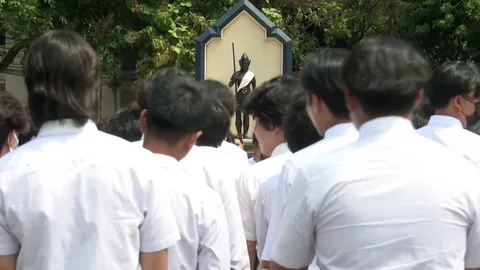
Uthenthawai students and alumni declare truce with Pathumwan rivals
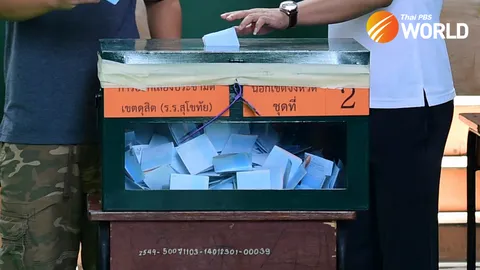
Will new referendum law help unlock Thailand’s political impasse – or just deepen divisions?
AI In-Brief
Thailand News in Brief
Thai PBS World
Thailand and the world, every day
AI can make mistakes. Please double-check.
Will new referendum law help unlock Thailand’s political impasse – or just deepen divisions?
13 Sept 14:46Key points summarised by AI
Thailand's Parliament passed a referendum bill, a crucial step towards allowing a public vote on whether to draft a new, more democratic Constitution, following a Constitutional Court ruling.
Despite the bill's passage, observers remain highly skeptical that a new charter will materialize, citing the government's final authority to approve any plebiscite and historical patterns of political obstruction.
Analysts believe a complete constitutional rewrite is improbable due to resistance from powerful, junta-appointed senators and the current political climate, suggesting only minor, article-by-article amendments are likely.
The new law outlines referendum procedures and permits campaigning, but its success in resolving Thailand's political impasse hinges on genuine parliamentary and cabinet support, alongside truly free and fair public discourse, unlike past referendums.
Uthenthawai students and alumni declare truce with Pathumwan rivals
Yesterday 20:34Key points summarised by AI
Uthenthawai students and alumni have pledged to cease violent clashes with Pathumwan Institute rivals, coinciding with their campus's reopening after a 90-day closure.
The Minister of Higher Education is mediating the long-running conflict, while the campus closure has significantly disrupted in-person classes and laboratory work for over 1,000 students.
Uthenthawai resists relocation from its current site, citing a historical land grant from King Rama VI, despite Chulalongkorn University's plans to reclaim the land for an educational hub.
Concerns are mounting over the legality of the campus closure, its detrimental impact on uninvolved students, and the potential commercial development of the land, which critics argue contradicts the late King Rama VI's intentions.