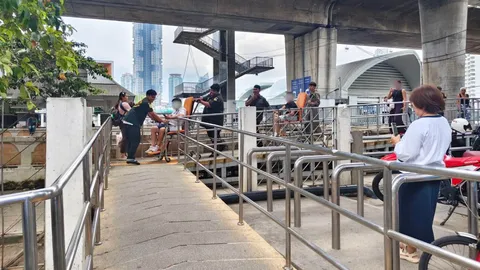
Eight injured as passenger boat strikes pier in Bangkok
Broken bridge over troubled water
Call-out culture: Poison or nectar for social activism in Thailand?
AI In-Brief
Thailand News in Brief
Thai PBS World
Thailand and the world, every day
AI can make mistakes. Please double-check.
Call-out culture: Poison or nectar for social activism in Thailand?
13 Sept 23:36Key points summarised by AI
Thai social media users are increasingly employing "call-out culture" to pressure celebrities into taking public stances, primarily on political issues like the government's COVID-19 response and vaccine strategy.
This trend has sparked controversy, leading to legal complaints and investigations against numerous celebrities, including rapper Milli, for alleged defamation or spreading "false news," despite legal experts affirming the constitutional right to free expression.
While some celebrities have publicly criticized the government, others have resisted the pressure, opting instead to contribute through donations and direct aid, facing criticism for their chosen approach.
The younger generation leverages social media for rapid mobilization and expressing views, seeing call-outs as a tool for social justice, though some experts caution against the potentially "toxic" aspects of this culture.
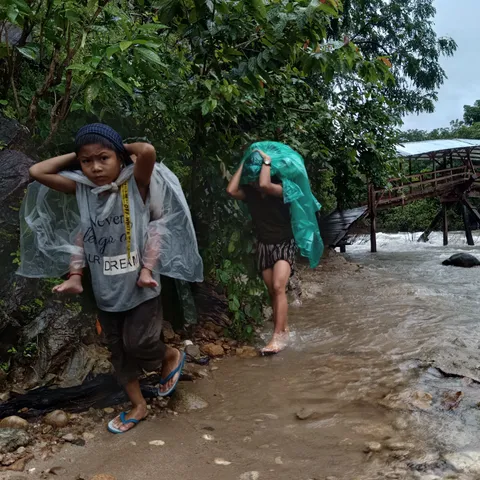
Broken bridge over troubled water
Yesterday 18:40Key points summarised by AI
The Karen National Army (KNA), controlling scam-ridden border areas, faces sanctions for complicity in cyber scams and human trafficking, highlighting a "broken bridge" of trust and protection for vulnerable youth.
Thousands of young people, driven by crippling poverty, political instability, and mandatory military service in Myanmar, are pushed into "troubled waters" by voluntarily entering scam compounds, where they face "forced criminality" and exploitation.
Criminal syndicates expertly exploit the desperation and lack of options among disadvantaged youth, who often possess low education and income, by offering deceptive opportunities that perpetuate their cycle of vulnerability.
The crisis is fueled by deep-seated socio-economic issues, requiring a nuanced understanding beyond simple victim/villain narratives, as current responses lag behind the syndicates' sophisticated and adaptable operations.