Nationwide crackdown launched on illegal nominee shareholders and land holdings
Construction of controversial Yuam River diversion project approved
AI In-Brief
Thailand News in Brief
Thai PBS World
Thailand and the world, every day
AI can make mistakes. Please double-check.
Construction of controversial Yuam River diversion project approved
18 Sept 15:07Key points summarised by AI
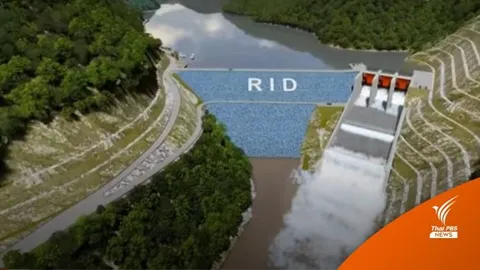
The National Environment Board (NEB) granted approval for the crucial Environmental Impact Assessment (EIA) of the 70-billion-baht Yuam River diversion project, also known as the Bhumibol Reservoir refilling project.
The extensive project includes a 69-meter dam on the Yuam River to create a 332-hectare reservoir and a 61-km concrete water diversion tunnel spanning Mae Hong Son, Chiang Mai, and Tak provinces.
The Ministry of Natural Resources and Environment voiced concerns over the sacrifice of 582.68 hectares of forested land and the depth of the proposed tunnel.
The Royal Irrigation Department plans to prepare the affected areas before seeking cabinet approval, tentatively next year, emphasizing the project's benefits in irrigating 256,000 hectares, increasing electricity output, and boosting water supply and tourism.
Nationwide crackdown launched on illegal nominee shareholders and land holdings
Today 15:20Key points summarised by AI
Thailand's Prime Minister Anutin Charnvirakul initiated a nationwide crackdown on illegal Thai nominee shareholders in foreign-run businesses and land holdings to safeguard national interests.
The government will integrate efforts across all relevant agencies to target illicit foreign operations, forced sales of illegally acquired property, and high-risk land ownership schemes.
Key strategies include auditing suspect land and building holdings, establishing a long-term monitoring system, and cross-referencing data from various authorities to trace ultimate beneficial owners.
Prime Minister Anutin emphasized that no influential figures or corrupt officials are above the law, promising straightforward prosecution, asset seizures, and protection for enforcing officers.
Beyond land ownership, the integrated crackdown will also extend to tackle transnational crimes, including drug and human trafficking.