Bai Lu meet-and-greet cancelled days after China’s safety warning
Speculation growing over merger between Bhumjaithai and Kla Tham parties
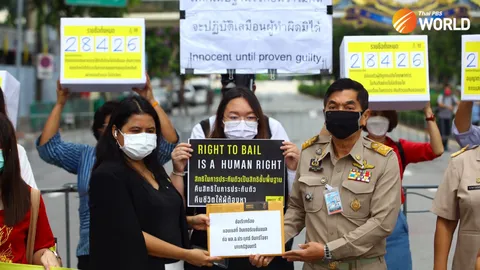
Amnesty, Rung Panusaya seek end to alleged Thai Government human rights violations
AI In-Brief
Thailand News in Brief
Thai PBS World
Thailand and the world, every day
AI can make mistakes. Please double-check.
Amnesty, Rung Panusaya seek end to alleged Thai Government human rights violations
14 Sept 00:36Key points summarised by AI
Anti-establishment leader Panusaya “Rung” Sithijirawattanakul and Amnesty International Thailand submitted over 28,000 signatures to the Thai Prime Minister, demanding an end to alleged government human rights violations.
Amnesty International expressed deep concern over the continuing violence against peaceful protesters, including arrests, prosecutions, and the use of excessive police force, noting poor detention conditions for leaders like Pai Daodin and Penguin who contracted COVID-19.
The organization reported 1,634 people, including 257 minors, have been prosecuted in the past year for exercising their freedom of speech and assembly, facing potential long prison terms.
Amnesty International Thailand presented three key demands: drop all criminal charges against peaceful human rights exercisers, allow free expression and assembly without threats, and conduct immediate, unbiased investigations into reports of excessive police force.
Speculation growing over merger between Bhumjaithai and Kla Tham parties
Yesterday 16:46Key points summarised by AI
A dinner between Bhumjaithai leader Anutin Charnvirakul and Kla Tham leader Capt. Thamanat Prompow ignited widespread speculation about a potential merger between their parties.
The meeting is viewed as a strategic message to coalition partner Pheu Thai, indicating Bhumjaithai's alternative options following Pheu Thai's chief whip's remarks about not fully defending all ministers in the upcoming no-confidence debate.
A direct merger between parties with sitting MPs is currently prohibited by Section 99 of the Constitution until the House's term expires, though MPs can switch parties through dismissal or party dissolution.
These constitutional rules aim to prevent financially strong parties from easily absorbing smaller ones, a practice that historically led to single-party dominance, as seen with Thai Rak Thai's 2005 election victory.