Six injured after car smashes into On Nut shopping mall
Uthenthawai students and alumni declare truce with Pathumwan rivals
Has Prayut’s order as junta chief put Thailand on gold miner’s chopping block?
AI In-Brief
Thailand News in Brief
Thai PBS World
Thailand and the world, every day
AI can make mistakes. Please double-check.
Has Prayut’s order as junta chief put Thailand on gold miner’s chopping block?
13 Sept 14:12Key points summarised by AI
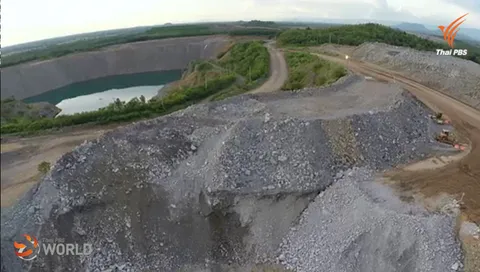
Thailand faces a potential US$750 million compensation payout to Australia's Kingsgate Consolidated after PM Prayut Chan-o-cha, as junta chief, ordered the closure of its Chatree gold mine in 2017.
The mine's closure followed years of local complaints about severe health and environmental damage, with residents now fearing a reopening if Kingsgate wins or negotiates a favorable settlement.
Negotiations are ongoing, delaying the arbitral tribunal's ruling, but the controversial nature of Prayut's order under international law puts Thailand at a disadvantage, incurring significant legal costs.
Opposition parties and activist groups demand that Prayut alone be held accountable for the dispute, arguing the Thai public should not bear the financial burden or sacrifice national interests for a decision made under his junta authority.
Uthenthawai students and alumni declare truce with Pathumwan rivals
Yesterday 20:34Key points summarised by AI
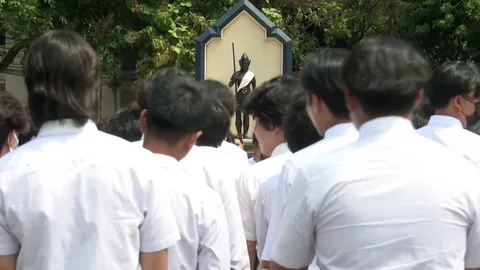
Uthenthawai students and alumni have pledged to cease violent clashes with Pathumwan Institute rivals, coinciding with their campus's reopening after a 90-day closure.
The Minister of Higher Education is mediating the long-running conflict, while the campus closure has significantly disrupted in-person classes and laboratory work for over 1,000 students.
Uthenthawai resists relocation from its current site, citing a historical land grant from King Rama VI, despite Chulalongkorn University's plans to reclaim the land for an educational hub.
Concerns are mounting over the legality of the campus closure, its detrimental impact on uninvolved students, and the potential commercial development of the land, which critics argue contradicts the late King Rama VI's intentions.