Bai Lu meet-and-greet cancelled days after China’s safety warning
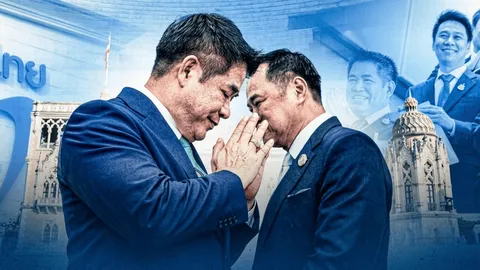
Speculation growing over merger between Bhumjaithai and Kla Tham parties
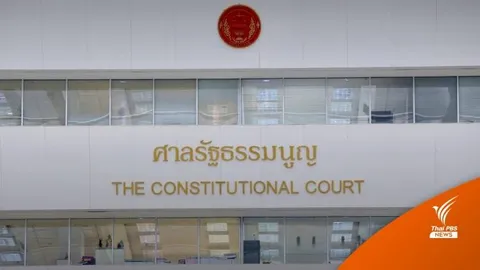
Constitutional Court’s full verdict enrages LGBT community, rights defenders
AI In-Brief
Thailand News in Brief
Thai PBS World
Thailand and the world, every day
AI can make mistakes. Please double-check.
Constitutional Court’s full verdict enrages LGBT community, rights defenders
13 Sept 12:18Key points summarised by AI
Thailand's Constitutional Court upheld Section 1448, defining marriage exclusively between a man and a woman, rejecting a petition for same-sex marriage.
The full 12-page ruling intensified public outrage due to its 'sexist' and 'demeaning' language, including phrases comparing LGBT+ individuals to 'animals with strange behaviours' and stating they cannot reproduce.
The verdict explicitly tied marriage to procreation under traditional morals, prompting widespread condemnation and a trending hashtag 'the Constitutional Court is sexist'.
A proposed Civil Partnership Bill, intended to legalize same-sex partnerships but not marriage, remains unpassed and faces criticism for failing to grant equal rights to those enjoyed by heterosexual married couples.
Speculation growing over merger between Bhumjaithai and Kla Tham parties
Today 16:46Key points summarised by AI
A dinner between Bhumjaithai and Kla Tham party leaders sparked rumors of a potential merger, though Bhumjaithai's leader, Anutin, downplayed it as a casual meal.
The meeting is widely interpreted as a strategic message from Bhumjaithai to the Pheu Thai party, signaling alternative support ahead of an upcoming no-confidence debate.
Thailand's Constitution (Section 99) currently prohibits direct mergers of parties with sitting MPs during the House's term, a rule designed to prevent the 'buying and selling' of MPs.
While direct mergers are restricted, MPs can still switch parties if dismissed by a three-fourths party vote or if their party dissolves, allowing for indirect political realignments.
Kla Tham's voting behavior in the censure debate will demonstrate its loyalty to the government, potentially influencing future political dynamics despite current merger restrictions.