Bai Lu meet-and-greet cancelled days after China’s safety warning
Speculation growing over merger between Bhumjaithai and Kla Tham parties
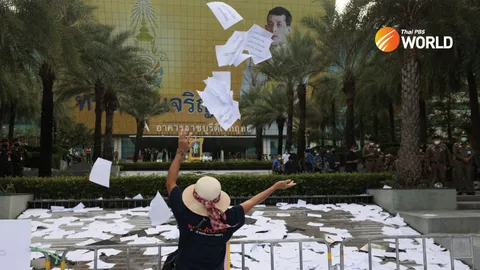
2021: Year of unprecedented monarchy debate capped by a chilling court ruling
AI In-Brief
Thailand News in Brief
Thai PBS World
Thailand and the world, every day
AI can make mistakes. Please double-check.
2021: Year of unprecedented monarchy debate capped by a chilling court ruling
14 Sept 03:12Key points summarised by AI
Youth-led protests in 2020 ignited unprecedented public debate on monarchy reform in Thailand, transforming a historically taboo subject into a widespread social discussion.
The demand for royal reforms intensified the battle over Thailand's strict lese majeste law (Article 112), leading to a sharp increase in prosecutions against critics and calls for its amendment or abolition.
A Constitutional Court ruling on November 10, 2021, declared that speeches advocating monarchy reform constituted an attempt to overthrow the country's democratic system, with the King as head of state.
This verdict carries significant implications, threatening to silence public discussion, increase media self-censorship, and potentially lead to the dissolution of political parties supporting reform, such as Move Forward.
Despite the chilling court ruling, protest groups like Ratsadon remain defiant, vowing to continue their campaign against the government and the lese majeste law, aiming for a 'golden year of nationwide protest' in 2022.
Speculation growing over merger between Bhumjaithai and Kla Tham parties
Today 16:46Key points summarised by AI
A dinner between Bhumjaithai and Kla Tham party leaders sparked rumors of a potential merger, though Bhumjaithai's leader, Anutin, downplayed it as a casual meal.
The meeting is widely interpreted as a strategic message from Bhumjaithai to the Pheu Thai party, signaling alternative support ahead of an upcoming no-confidence debate.
Thailand's Constitution (Section 99) currently prohibits direct mergers of parties with sitting MPs during the House's term, a rule designed to prevent the 'buying and selling' of MPs.
While direct mergers are restricted, MPs can still switch parties if dismissed by a three-fourths party vote or if their party dissolves, allowing for indirect political realignments.
Kla Tham's voting behavior in the censure debate will demonstrate its loyalty to the government, potentially influencing future political dynamics despite current merger restrictions.