Bai Lu meet-and-greet cancelled days after China’s safety warning
Speculation growing over merger between Bhumjaithai and Kla Tham parties
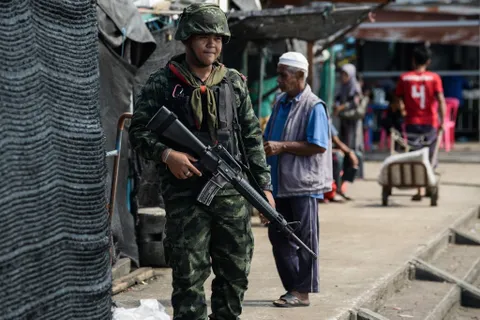
Crisis in Thailand’s deep south - mutual trust and dialogue needed
AI In-Brief
Thailand News in Brief
Thai PBS World
Thailand and the world, every day
AI can make mistakes. Please double-check.
Crisis in Thailand’s deep south - mutual trust and dialogue needed
21 Sept 16:39Key points summarised by AI
Thailand and the Barisan Revolusi Nasional (BRN) are resuming crucial peace talks in Kuala Lumpur on January 11th, aiming to build mutual trust and move towards concrete action plans to end violence in the deep south.
The dialogue, stalled for two years by the COVID-19 pandemic, is pivotal as past communication efforts significantly reduced casualties, while its absence led to increased violence.
Key discussion points include establishing broader safety zones, addressing decentralisation, Islamic affairs, and providing safety guarantees for returning BRN members.
The veteran Malaysian facilitator and positive signals from the new Malaysian government are expected to encourage progress, particularly towards a safety zone agreement.
Speculation growing over merger between Bhumjaithai and Kla Tham parties
Today 16:46Key points summarised by AI
A dinner between Bhumjaithai and Kla Tham party leaders sparked rumors of a potential merger, though Bhumjaithai's leader, Anutin, downplayed it as a casual meal.
The meeting is widely interpreted as a strategic message from Bhumjaithai to the Pheu Thai party, signaling alternative support ahead of an upcoming no-confidence debate.
Thailand's Constitution (Section 99) currently prohibits direct mergers of parties with sitting MPs during the House's term, a rule designed to prevent the 'buying and selling' of MPs.
While direct mergers are restricted, MPs can still switch parties if dismissed by a three-fourths party vote or if their party dissolves, allowing for indirect political realignments.
Kla Tham's voting behavior in the censure debate will demonstrate its loyalty to the government, potentially influencing future political dynamics despite current merger restrictions.