Speculation growing over merger between Bhumjaithai and Kla Tham parties
Ruling Palang Pracharat party sacks Thamanat Prompow, 20 other dissident MPs
AI In-Brief
Thailand News in Brief
Thai PBS World
Thailand and the world, every day
AI can make mistakes. Please double-check.
Ruling Palang Pracharat party sacks Thamanat Prompow, 20 other dissident MPs
13 Sept 11:41Key points summarised by AI
The ruling Palang Pracharat Party (PPRP) expelled its controversial secretary-general, Thamanat Prompow, and 20 other loyal MPs.
This decisive action followed an ultimatum from Thamanat's faction, demanding a ministerial post and threatening mass resignations if their demand was not met.
The departure of Thamanat's group severely weakens the coalition government's parliamentary hold, potentially leading to an inability to maintain quorums and forcing an early dissolution of parliament.
Thamanat, despite a past drug conviction, had been a valuable asset to the PPRP, helping win by-elections and brokering coalition agreements.
This event marks the most significant political crisis faced by Prime Minister Prayut Chan-o-cha to date.
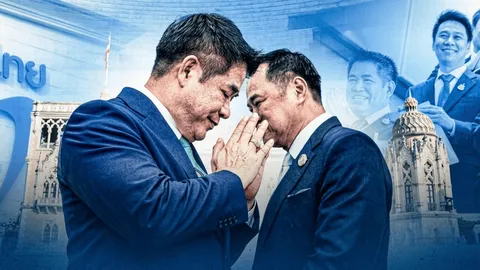
Speculation growing over merger between Bhumjaithai and Kla Tham parties
Today 16:46Key points summarised by AI
A dinner between Bhumjaithai and Kla Tham party leaders sparked rumors of a potential merger, though Bhumjaithai's leader, Anutin, downplayed it as a casual meal.
The meeting is widely interpreted as a strategic message from Bhumjaithai to the Pheu Thai party, signaling alternative support ahead of an upcoming no-confidence debate.
Thailand's Constitution (Section 99) currently prohibits direct mergers of parties with sitting MPs during the House's term, a rule designed to prevent the 'buying and selling' of MPs.
While direct mergers are restricted, MPs can still switch parties if dismissed by a three-fourths party vote or if their party dissolves, allowing for indirect political realignments.
Kla Tham's voting behavior in the censure debate will demonstrate its loyalty to the government, potentially influencing future political dynamics despite current merger restrictions.