Suchada: Meet the reluctant star of Thailand’s cryptic crypto drama
Speculation growing over merger between Bhumjaithai and Kla Tham parties
Special House session may be held to deliberate two election-related laws
AI In-Brief
Thailand News in Brief
Thai PBS World
Thailand and the world, every day
AI can make mistakes. Please double-check.
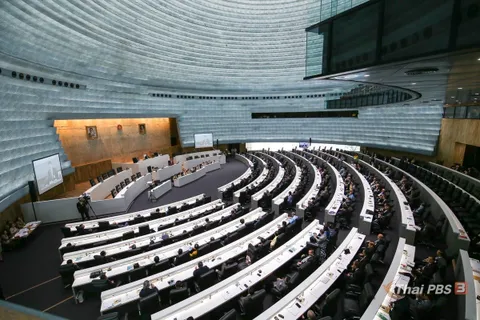
Special House session may be held to deliberate two election-related laws
13 Sept 08:09Key points summarised by AI
Thailand's Deputy PM Wissanu Krea-ngam confirms a potential special parliamentary session in April to fast-track two crucial election-related organic bills, ensuring no delay.
The bills, drafted by the Election Commission and reviewed by the Council of State, will undergo public hearings before submission to parliament, bypassing cabinet approval.
Key electoral reforms include adjusting the House composition to 100 party-list and 400 constituency MPs, and implementing a two-ballot system for the next general election.
These organic bills are vital for enabling the next general election and represent the sole constitutional amendments approved thus far, distinguishing them from other rejected reform proposals.
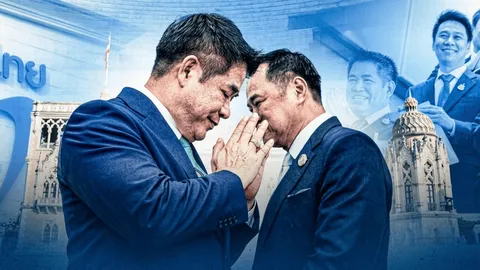
Speculation growing over merger between Bhumjaithai and Kla Tham parties
Yesterday 16:46Key points summarised by AI
A dinner between Bhumjaithai and Kla Tham party leaders sparked rumors of a potential merger, though Bhumjaithai's leader, Anutin, downplayed it as a casual meal.
The meeting is widely interpreted as a strategic message from Bhumjaithai to the Pheu Thai party, signaling alternative support ahead of an upcoming no-confidence debate.
Thailand's Constitution (Section 99) currently prohibits direct mergers of parties with sitting MPs during the House's term, a rule designed to prevent the 'buying and selling' of MPs.
While direct mergers are restricted, MPs can still switch parties if dismissed by a three-fourths party vote or if their party dissolves, allowing for indirect political realignments.
Kla Tham's voting behavior in the censure debate will demonstrate its loyalty to the government, potentially influencing future political dynamics despite current merger restrictions.